If I were to understand a city through its hotels, my experience in Ottawa feels more “spatial” than culinary—it is defined not by flavors, but by the light outside the window, the quiet of the corridors, the texture of the bed, and that feeling at the end of the day when the city finally “turns out the lights.”
The hotels I stayed at in this city range from high-profile historic landmarks to modern business hotels and even resort-style options. Together, they piece together my understanding of Ottawa’s “nocturnal atmosphere.”
1.Fairmont Château Laurier: Staying in the Shadow of a Castle
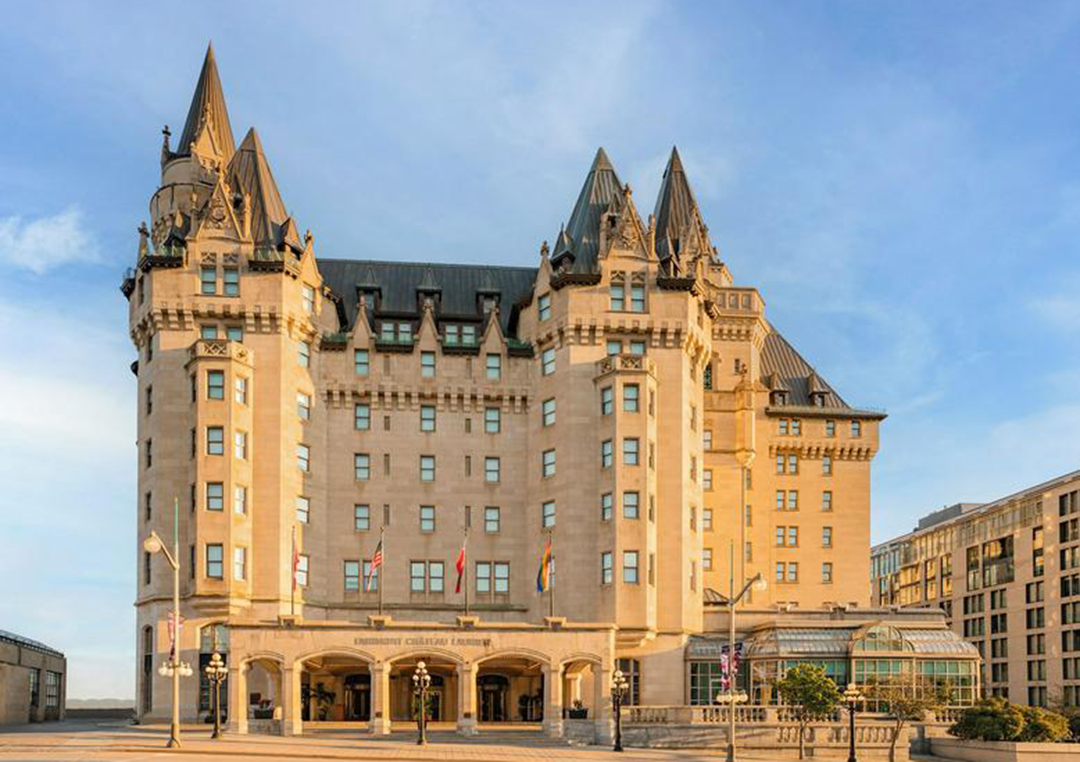
The hotel that left the deepest impression on me was the Fairmont Château Laurier.
Situated right next to the Rideau Canal, its exterior resembles a genuine European castle. Standing at the entrance for the first time, I felt a sense of displacement—it didn’t feel like simply “checking into a hotel,” but rather “stepping into history.”
The soaring lobby, with its crystal chandeliers and stone walls, naturally encourages you to slow your pace. The check-in process follows a traditional rhythm; it lacks the efficiency-first approach of express hotels, favoring instead a service style rich in “ceremony.”
My room wasn’t particularly large, but it faced the canal. In the early morning, sunlight reflecting off the water bathed the room in a soft, golden glow. It was a magical sensation: you are undeniably in the city center, yet visually, you feel as though you are on the edge of a quiet, old-world realm.
However, there is a practical side to it—the rates are on the higher end, and the amenities aren’t exactly modern-minimalist. If you are looking for high-tech features or cutting-edge design, it might not meet your expectations; but if you want to experience Ottawa’s “historic character,” it serves as perhaps the most direct gateway.
2.Lord Elgin Hotel: A Hub of the City’s Rhythm
The second hotel is the Lord Elgin Hotel, which gave me a completely different impression.
If the former represents “history,” this one feels more like a “core node of daily city life.” It is located right downtown, within walking distance of Parliament Hill, museums, and major districts.
My initial impression was immediate: this is a hotel that values efficiency without feeling cold. The lobby isn’t particularly lavish, yet there is a steady flow of people—mostly business travelers and short-term visitors. The room style leans towards a traditional business hotel, yet it is well-maintained. What impressed me most was the quietness—even in the city center, there was almost no noise disturbance at night.
One evening, I returned from the cold outdoors; the contrast upon entering the room was striking—the city’s chill was shut out by the door, replaced by a steady, cozy warmth.
It doesn’t emphasize experiential design the way luxury hotels do, but its strengths are clear: location, consistency, and reliability.
3.Andaz Ottawa ByWard Market: A Younger Urban Perspective
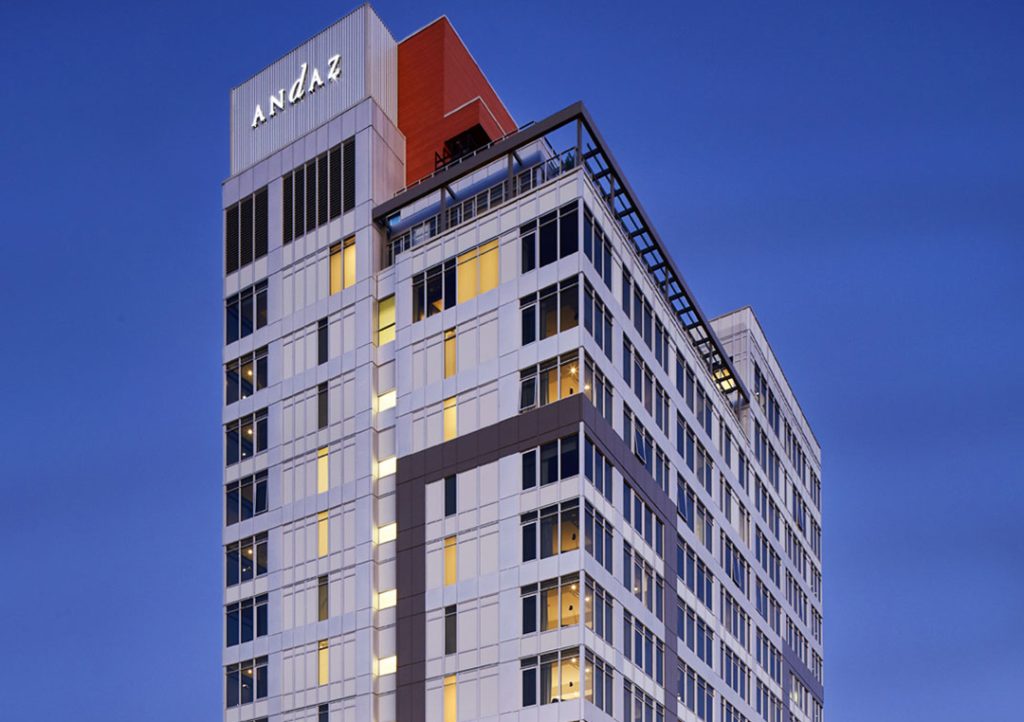
The third hotel is the Andaz Ottawa ByWard Market.
Its location near the ByWard Market defines its character—modern, youthful, and leaning towards a lifestyle hotel vibe.
My first impression upon arrival was its strong design aesthetic: the lobby eschews traditional luxury in favor of a modern urban style, blending industrial touches with local cultural elements.
The room offers a great view of the market district’s streetscape. It is bustling by day, while the evening lights transform the atmosphere into a gentle “urban nightlife backdrop.”
Staying here gave me a distinct feeling: you aren’t just “staying in a hotel,” but rather “living within the city’s rhythm.”
Restaurants, cafes, and bars are just a few steps away, creating a seamless transition between the outside world and your room. It suits those who enjoy an energetic pace rather than travelers seeking purely quiet relaxation.
4.The Westin Ottawa: A Blend of Business and Connectivity
The fourth hotel is The Westin Ottawa.
Its most distinctive feature is its connectivity. It links directly to a shopping mall, a convention center, and the city’s indoor walkway system, making it incredibly convenient for business travel.
What struck me most was the sense of fluid movement: you can step directly from the hotel into the indoor walkways without being fully exposed to the cold—a highly practical feature during Ottawa’s winters.
The room follows a standard business style; while there are no major surprises, the comfort level is consistently good. The bed offers excellent support, which is crucial after long-distance travel.
I recall returning to my room after a meeting one day; it was pitch black outside, with city lights stretching into the distance. It was the quintessential “functional urban experience”—everything designed for efficiency rather than romance.
5.Brookstreet Hotel: A Quiet Shift Away from the City Center
The final stop is the Brookstreet Hotel, located outside the city center.
While the previous hotels were all about being in the “heart of the city,” this one is about “stepping away” from it.
When I first arrived, I immediately felt a shift in pace: the dense urban landscape gave way to open, expansive surroundings. The hotel itself leans towards a resort style, featuring golf courses and leisure facilities.
The rooms are more spacious than those in downtown hotels, and the overall atmosphere is far more relaxed. Evenings are incredibly quiet—free from city noise—creating a sense that time itself has slowed down.
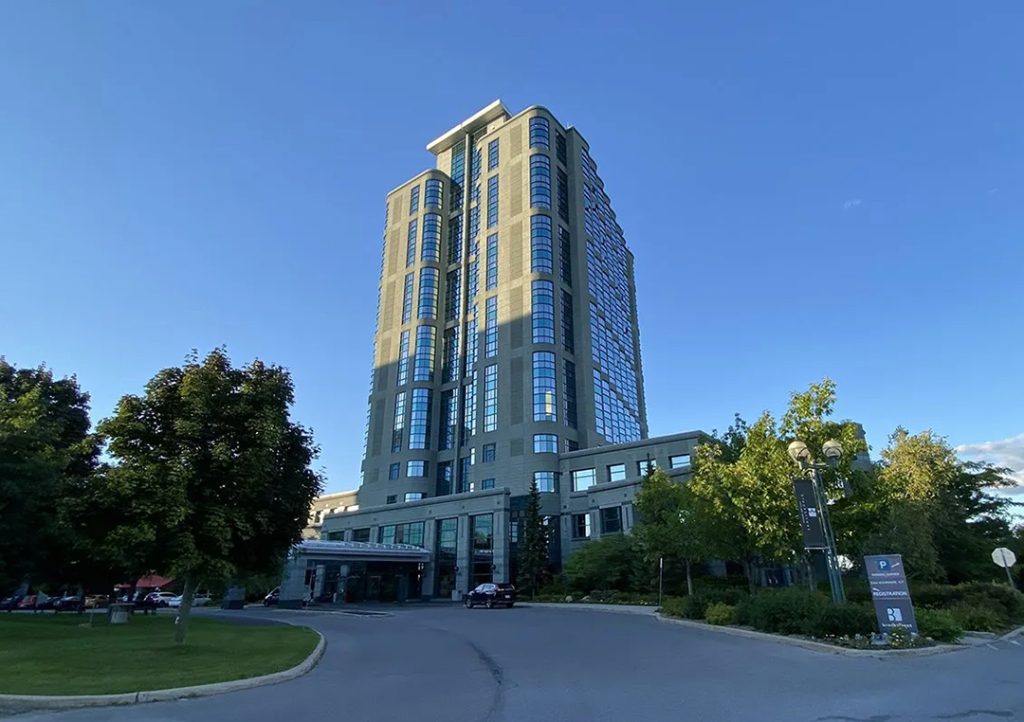
Staying here offered a striking contrast: if downtown hotels are about “participating in the city’s pulse,” this place is about “stepping out of the urban system.”
It is better suited for those looking to rest and reset their pace, rather than for travelers focused primarily on sightseeing.
Hotels Offer Another Way to Understand a City
After staying at these hotels in Ottawa, I came to a realization: a hotel is not merely a place to sleep, but a “slice of the city”—together, they form a complete picture of the urban experience.
If cuisine allowed me to understand the city’s “flavor,” then these hotels helped me understand its “rhythm of breathing”—sometimes fast, sometimes slow, sometimes quiet; at times, they simply place you in a space that feels just right, allowing you to do absolutely nothing.