Manchester, one of the most influential cities in British history, is famous for its unique industrial revolution heritage and thriving creative culture. This city is not only rich in industrial history but also has a vibrant arts and cultural atmosphere. From historic museums to contemporary art galleries, from ancient factories to creative industry parks, Manchester is a city that blends the past and future, making it a must-visit for any culture and history enthusiast.
1. Manchester’s Industrial Revolution Heritage
(1) Manchester Museum: Understanding the Origins of the Industrial Revolution
Manchester earned its title as the “world’s factory” due to its pivotal role in the Industrial Revolution. As one of the earliest industrialized cities in Britain, every corner of Manchester seems to tell the story of this transformative period. The Manchester Museum is an excellent place to delve into this history. The museum showcases a wide range of exhibits, including historical artifacts, models, and interactive displays, allowing visitors to experience the social changes of that time firsthand.
Among the most significant exhibits are items related to the textile industry, as Manchester’s textile manufacturing was one of the core industries during the Industrial Revolution. Visitors can see early textile machines, factory equipment, and depictions of the working conditions of that era. These exhibits offer a deeper understanding of Manchester’s crucial role in the global economy and societal transformation.
(2) Industrial Heritage Sites: Stockport Canal and Newman Factory
The Stockport Canal was one of the key transport routes during Manchester’s Industrial Revolution, connecting the city to Liverpool and serving as a major freight transportation channel. Today, walking along this historic canal, visitors can still see old warehouses and industrial buildings that testify to Manchester’s glory as an industrial center.
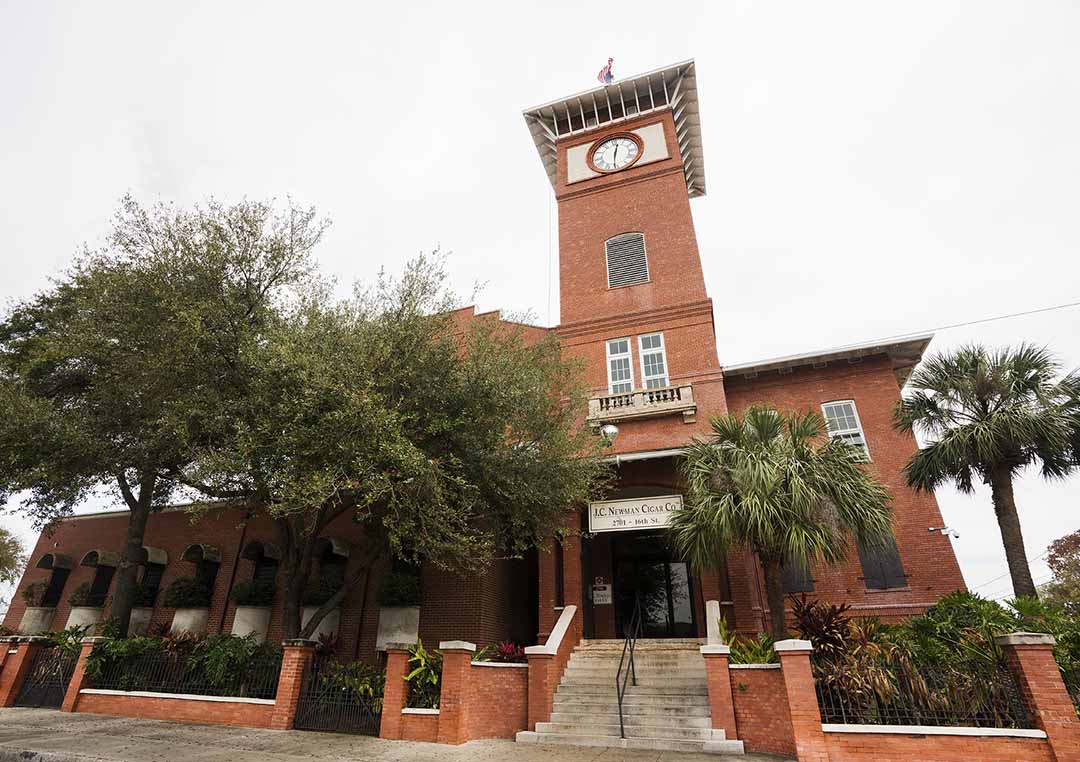
Another must-visit industrial site is the Newman Factory. Built in the 19th century as a textile mill, it has now been transformed into a cultural space, becoming a hub for the creative industries. Here, visitors can not only feel the weight of history but also witness the wonderful fusion of industrial heritage and modern art. The space often hosts various exhibitions and creative events, making it an ideal place to experience Manchester’s cultural and creative industries.
(3) Manchester Science and Industry Museum: A Perfect Fusion of Industry and Technology
The Manchester Science and Industry Museum is an indispensable place for understanding the city’s technological and industrial evolution. Located in the city center, the museum’s exhibits cover all aspects of Manchester’s history, from early industrialization to modern technological innovation. The collection includes classic industrial machinery as well as displays on modern technologies like computers and the internet.
A particularly noteworthy exhibit is the steam engine collection. Manchester is considered one of the birthplaces of the steam engine, and the museum showcases early prototypes of steam engines developed by figures such as James Watt, illustrating their profound impact on the global industrialization process. Through these exhibits, visitors can clearly understand the far-reaching influence of the Industrial Revolution on world history.
2. Manchester’s Creative Culture
(1) Manchester Art Gallery: The Fusion of History and Modern Art
Manchester Art Gallery is an essential cultural institution located in the heart of the city, housing an extensive collection of British and European paintings, sculptures, and contemporary works from the 19th and 20th centuries. The gallery showcases the evolution of British art, with a focus on the region’s rich history, including works from the Pre-Raphaelite Brotherhood, as well as modern British artists. The building itself is a masterpiece, combining elements of classical and contemporary architecture, providing a harmonious setting for the artworks. Visitors can wander through galleries that feature local Manchester artists and explore the themes that have shaped British art, from industrialism to social movements. Moreover, the gallery frequently organizes temporary exhibitions and public programs, inviting audiences to engage with art in innovative ways. This makes the gallery not just a place to view art but also a dynamic hub for artistic dialogue and exploration, connecting the past with the present in a seamless flow.
(2) Manchester’s Creative Quarter: A Hub for Art and Innovation
Manchester’s creative quarter is a thriving cultural district that attracts both established and emerging artists from around the world. This area, home to numerous art studios, independent galleries, trendy cafes, and bookstores, serves as a canvas for creativity and innovation. Young artists and designers flock here to find inspiration and showcase their works, making it a constantly evolving space of artistic expression. Visitors can engage with various creative projects, from traditional paintings to digital art, and even see artists at work in their studios. The quarter is not only a space for visual art but also a lively center for music, film, and performance, with events that range from pop-up art exhibitions to intimate acoustic sessions. This district fosters a dynamic cultural exchange, where the boundaries between different art forms blur, and new ideas are born. It’s a place where the spirit of innovation thrives, and visitors can immerse themselves in a true cultural experience that reflects the heartbeat of Manchester’s contemporary creative scene.
(3) Manchester International Festival: A Global Creative Celebration
The Manchester International Festival (MIF) is one of the UK’s most prestigious biennial cultural events, attracting a global lineup of artists, musicians, and performers. This festival stands out for its commitment to presenting original works that push the boundaries of creativity and offer fresh perspectives on contemporary culture. MIF encompasses a broad range of artistic disciplines, including visual art, theater, dance, music, and film, with a special emphasis on commissions that often debut at the festival. The festival is held across various iconic venues, from established theaters to unexpected public spaces, ensuring that there’s always something for everyone. Audiences can witness world premieres, cutting-edge performances, and even experimental street art projects. The event not only highlights Manchester’s cultural diversity but also fosters a sense of global collaboration, attracting artists from across the world.
3. Manchester’s Urban Landscape and Architecture
(1) Manchester Town Hall: One of Britain’s Most Majestic Civic Buildings
Manchester Town Hall is not only one of the city’s most iconic landmarks but also a stunning example of neo-Gothic architecture. Completed in the late 19th century, the Town Hall was designed by architect Alfred Waterhouse and is known for its impressive façade, towering clock tower, and intricate detailing. The building was constructed to reflect Manchester’s prosperous status during the Industrial Revolution, symbolizing both the city’s growing wealth and its industrial strength. Inside, the Town Hall is adorned with beautiful murals, sculptures, and stained glass windows, showcasing Manchester’s rich history. Visitors can also explore the building’s grand rooms, such as the Great Hall, where formal events and civic ceremonies take place. The square surrounding the Town Hall, Albert Square, is a historic public space, hosting everything from outdoor markets to cultural festivals. It serves as a gathering point for both locals and tourists, offering a lively atmosphere and a glimpse into the city’s vibrant cultural life.
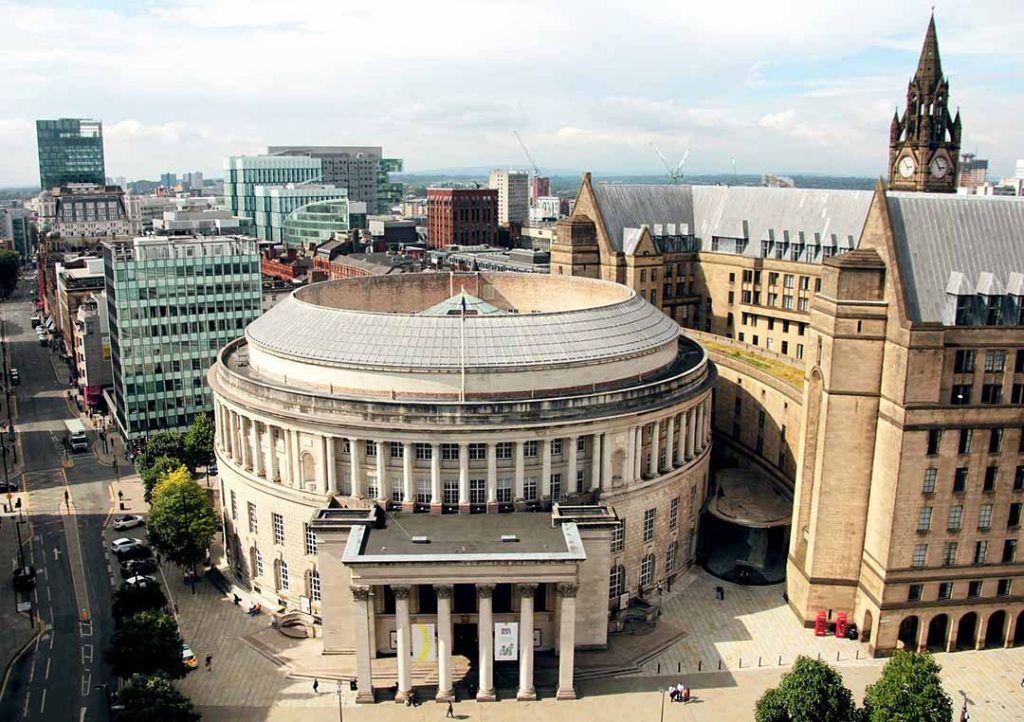
(2) Manchester Central Library: A Blend of Classical Architecture and Modern Services
Manchester Central Library is a historical gem that beautifully combines classical design with modern functionality. Completed in 1934, its iconic circular building features stunning Romanesque architecture with a grand entrance and a domed roof, while the interior has been updated with modern services, creating a harmonious blend of past and present. The library houses a vast collection of books, manuscripts, and digital resources, making it an essential center for learning and research. Its expansive reading areas provide a peaceful retreat in the heart of the bustling city. Additionally, the library plays a pivotal role in Manchester’s cultural scene by hosting a wide range of activities, such as literary festivals, author talks, and art exhibitions. The library’s commitment to promoting education and culture ensures it remains a focal point for those seeking both knowledge and creative inspiration. It’s not just a library; it’s a vibrant community hub where people come to learn, reflect, and engage with Manchester’s dynamic cultural heritage.
(3) The Fusion of Industrial Heritage and Modern Architecture in Manchester
Manchester’s cityscape offers a fascinating contrast between its industrial past and modern development, creating a distinctive urban landscape. The city has cleverly preserved many of its industrial structures, turning former factories and warehouses into modern shopping malls, art galleries, and cultural spaces. This transformation has allowed the city to maintain its industrial heritage while embracing contemporary design. Areas like the Northern Quarter showcase the city’s evolution, where old red-brick buildings house hip cafés, galleries, and boutiques. At the same time, sleek glass towers and cutting-edge architectural designs now dominate the skyline, symbolizing Manchester’s forward-thinking approach. The combination of historic and modern architecture makes the city a fascinating place to explore, offering visitors a multifaceted experience that highlights both Manchester’s industrial legacy and its commitment to innovation.
Manchester, a city deeply influenced by the Industrial Revolution, not only preserves its glorious industrial heritage but has also successfully integrated modern creative culture into its landscape. Whether it’s the industrial museums or the vibrant creative district, Manchester showcases its unique cultural charm. In this city, you can experience the perfect fusion of history and modernity, tradition and innovation. Whether you love history, art, or creativity, Manchester offers an unforgettable cultural journey.