London is a city full of historical depth, with every street, every building, and every corner seemingly telling a story that has long been forgotten. The charm of this city lies not only in its modern bustle but also in its rich historical legacy. Today, I would like to take you through London’s royal history, journeying through time and visiting some iconic landmarks—from Tower Bridge to Buckingham Palace—experiencing the perfect blend of the old and the modern in this city.
1. Tower Bridge: The Gateway to London’s History
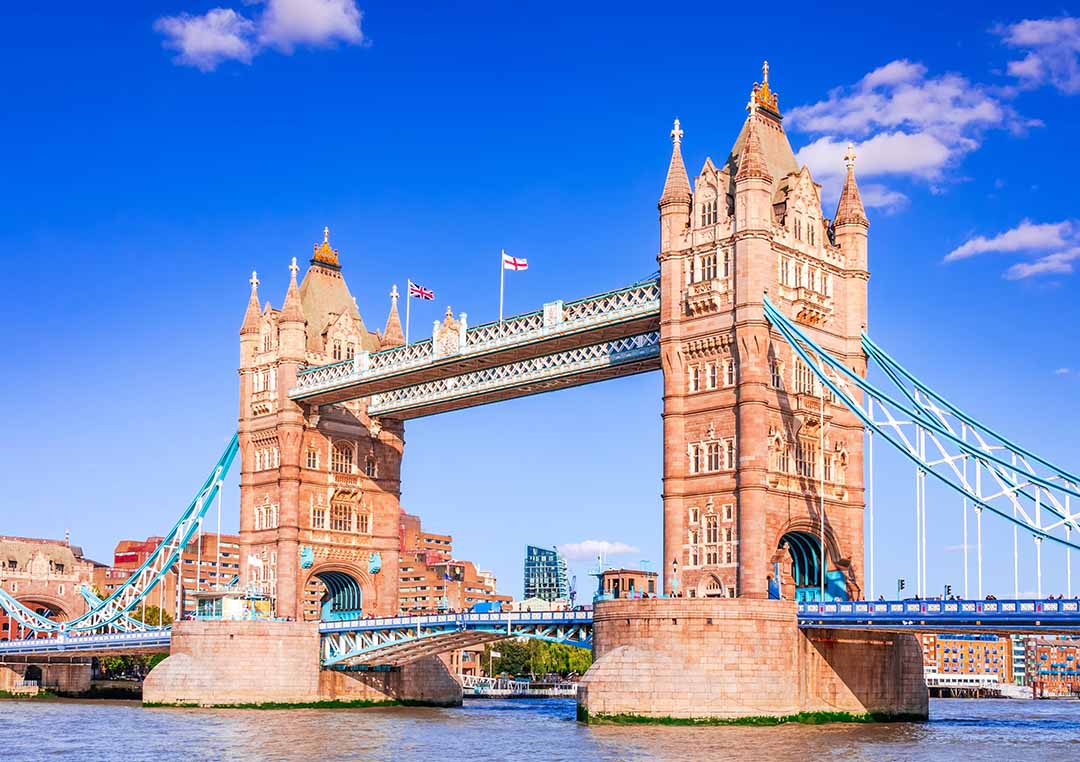
Tower Bridge, one of London’s most iconic and recognizable structures, often forms the first impression people have of the city. As you approach the bridge, it feels almost like stepping into a living testament to the city’s vibrant history. It is not only a crucial transportation link for London, but also a significant symbol of the city’s cultural and engineering prowess. Tower Bridge stands proudly over the River Thames, a majestic piece of architecture that offers a fascinating glimpse into London’s past while seamlessly blending with its modern landscape.
Spanning the River Thames, Tower Bridge serves as a vital connection between the eastern and western parts of London. Originally constructed to accommodate the rapid growth of the city and address the increased need for efficient transportation, the bridge was completed in 1894. Designed as a bascule bridge, it is most famous for its ability to raise its central span to allow tall ships to pass through—a truly remarkable feat of engineering at the time. Although this mechanism is no longer employed as frequently due to modern navigation techniques, the bridge still retains its original function, offering a glimpse of how transportation once flowed along the Thames.
When I visited Tower Bridge, I was immediately struck by its striking appearance. The steel and granite structure, painted in its iconic blue and white hues, stood in stark contrast to the gentle flow of the River Thames below, creating an image that felt both timeless and modern. From the bridge, you can witness the buzz of daily life—the rush of vehicles crossing beneath you, pedestrians strolling along the walkway, and the occasional boat passing by. The combination of the sound of the river lapping below and the distant rumble of traffic brought to life a city that has evolved over centuries. It was easy to imagine the busy Victorian streets from years gone by, filled with horse-drawn carriages and sailors heading out on grand adventures.
The experience of walking across Tower Bridge is more than just an ordinary sightseeing activity—it’s an opportunity to connect with history. In addition to the impressive views of the Thames and the London skyline, the museum within the bridge’s towers offers a chance to delve deeper into the bridge’s story. Through the glass-floored walkway, you can peer down to see the river beneath and the streets of London beyond. The historical exhibits within the towers not only take you through the story of how the bridge was constructed, but also explain how it became a critical part of London’s development. You’ll learn about the engineering feats that made it possible, including the innovative use of hydraulic power to raise the bridge’s spans. Walking through the museum, I was struck by how this marvel of Victorian engineering continues to stand as a testament to human ingenuity, offering a sense of continuity that stretches from the past to the present day.
2. The Tower of London: A Witness to the Royal Legacy
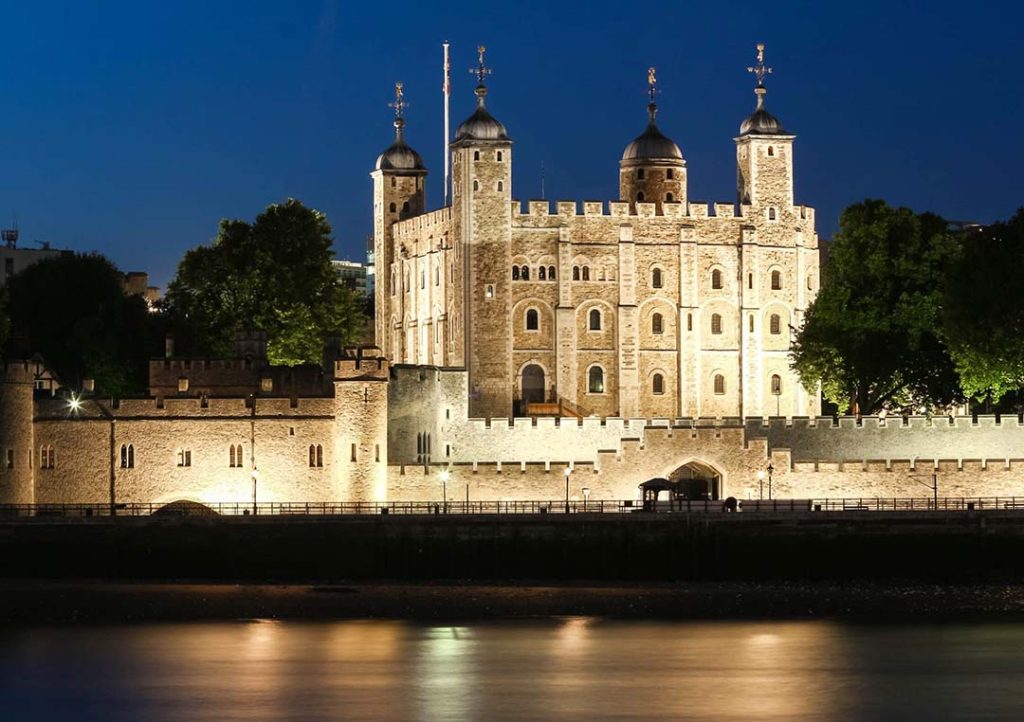
Not far from Tower Bridge stands the Tower of London, another ancient building that bears witness to centuries of British history. Built in the 11th century by William the Conqueror, this formidable castle has served as a royal palace, a prison, a military stronghold, and a treasury. Over its long history, it has witnessed countless key events and royal dramas, making it an inseparable part of England’s heritage and identity.
The Tower of London is perhaps best known for its role as a prison. Over the centuries, it has held many high-profile historical figures, including Queen Anne Boleyn, who was executed by her husband, King Henry VIII. The somber history of the tower is reflected in the stories of those who were imprisoned within its cold, stone walls. Today, the Tower of London has been transformed into a world-renowned museum, housing a vast collection of historical artifacts. The most famous of these is the Crown Jewels of the British monarchy, which are on display for visitors to marvel at. Standing before these dazzling jewels, I couldn’t help but reflect on how they not only represent historical grandeur and the wealth of the monarchy but also symbolize the changing tides of royal power, reflecting both triumph and tragedy throughout British history.
When visiting the Tower of London, I highly recommend joining a guided tour to fully immerse yourself in its history. With an expert guide, you’ll uncover lesser-known stories, such as the eerie legends of ghosts haunting the tower, or hear about the real experiences of prisoners held there, some of whom were never seen again. You’ll also learn about the royal menagerie, the tower’s role during times of conflict, and the fascinating lives of the Beefeaters—Yeoman Warders who have guarded the tower for centuries. As you walk through the tower’s ancient stone walls, I could almost feel the echoes of grand historical events that took place centuries ago, from the executions of the nobility to royal ceremonies and political intrigue. Every corner of the Tower seems to whisper the stories of the past, making it a truly immersive and poignant experience.
3. Buckingham Palace: Royal Glory and Opulence
Next on our journey is Buckingham Palace, the official residence of the British monarchy, located in the heart of London. This grand palace, with its rich history and architectural splendor, is one of the most famous royal residences in the world and an undeniable symbol of British heritage.
Originally built in 1703 for the Duke of Buckingham, the palace was later acquired by King George III in 1761 as a private residence for Queen Charlotte. Over the years, it was gradually expanded and transformed into the opulent royal residence it is today. By 1837, when Queen Victoria ascended the throne, Buckingham Palace became the official residence of the British monarch. Today, it stands as not only a royal venue for official ceremonies but also one of the most recognized and iconic landmarks in the world, attracting millions of visitors each year from all corners of the globe.
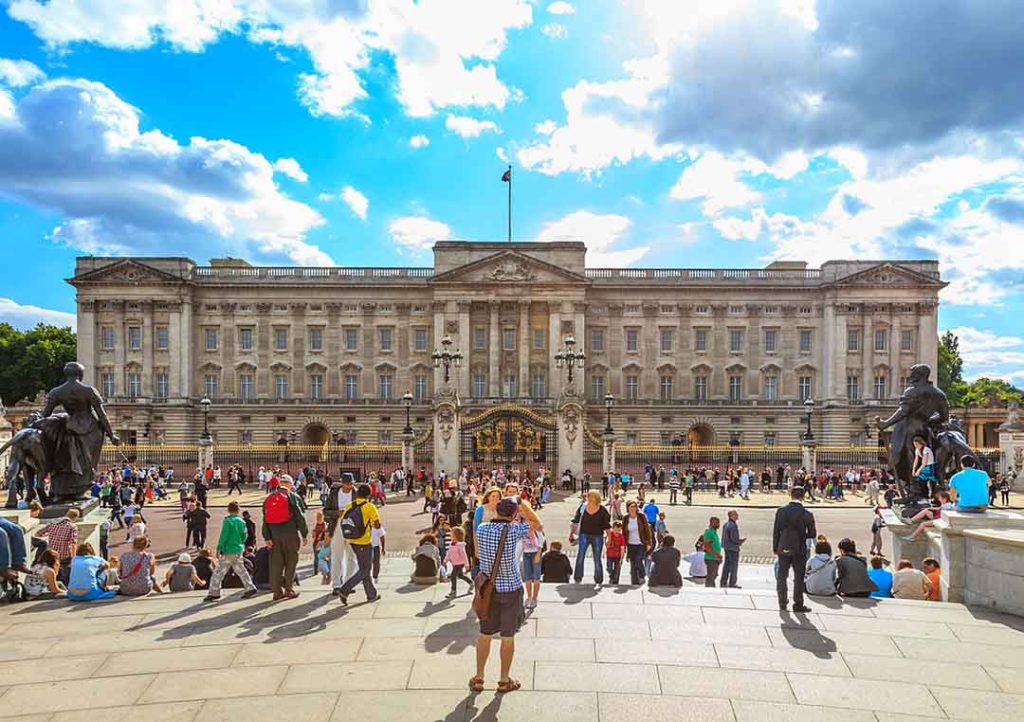
As I stood before Buckingham Palace, I was immediately struck by its magnificent exterior. The towering golden railings, the classical architectural style, and the sheer scale of the building all exude an aura of royal grandeur. Every inch of the façade speaks of centuries of history, from its elegant stonework to the majestic sculptures that adorn the palace. The Changing of the Guard ceremony, which takes place at the palace gates, is one of the most popular and anticipated attractions for visitors. This time-honored ceremony, held at regular intervals throughout the year, is a solemn and ceremonial event that attracts countless onlookers who gather in front of the palace to witness this iconic royal tradition. The atmosphere is filled with excitement and anticipation as the royal guards, clad in their signature red uniforms and tall black bearskin hats, perform their precise and synchronized movements.
If you have the opportunity to enter the palace, the opulence of its interior will surely leave you in awe. Every room in the palace is meticulously decorated with exquisite works of art, lavish furniture, and historic items that tell the story of centuries of royal life. The grandeur of the Throne Room, the luxurious Ballroom, and the serene White Drawing Room will transport you into a world of royal splendor. During the summer months, part of the palace, including the magnificent gardens, is opened to the public. Visitors can tour the private offices and royal reception areas, where many important state events and banquets take place. Exploring these opulent spaces offers a rare glimpse into the daily life of the royal family and allows visitors to imagine what it must be like to live in such a prestigious and majestic environment.
4. A Journey Through History: Reflections and Insights
From Tower Bridge to the Tower of London, and finally to Buckingham Palace, each site is rich with deep history and royal atmosphere. This is not just a trip, but a journey through history. Walking through London’s streets, every building and every cobblestone path makes me appreciate how this city has merged its past with its present, creating an unparalleled charm through the flow of time.
London is more than just a modern international metropolis. Its sense of history and cultural depth is unmatched by many other cities. Every time I walk through these palaces and ancient fortresses, it feels as though I am traveling through time, personally experiencing the glory of the monarchy and the ever-changing tides of history.