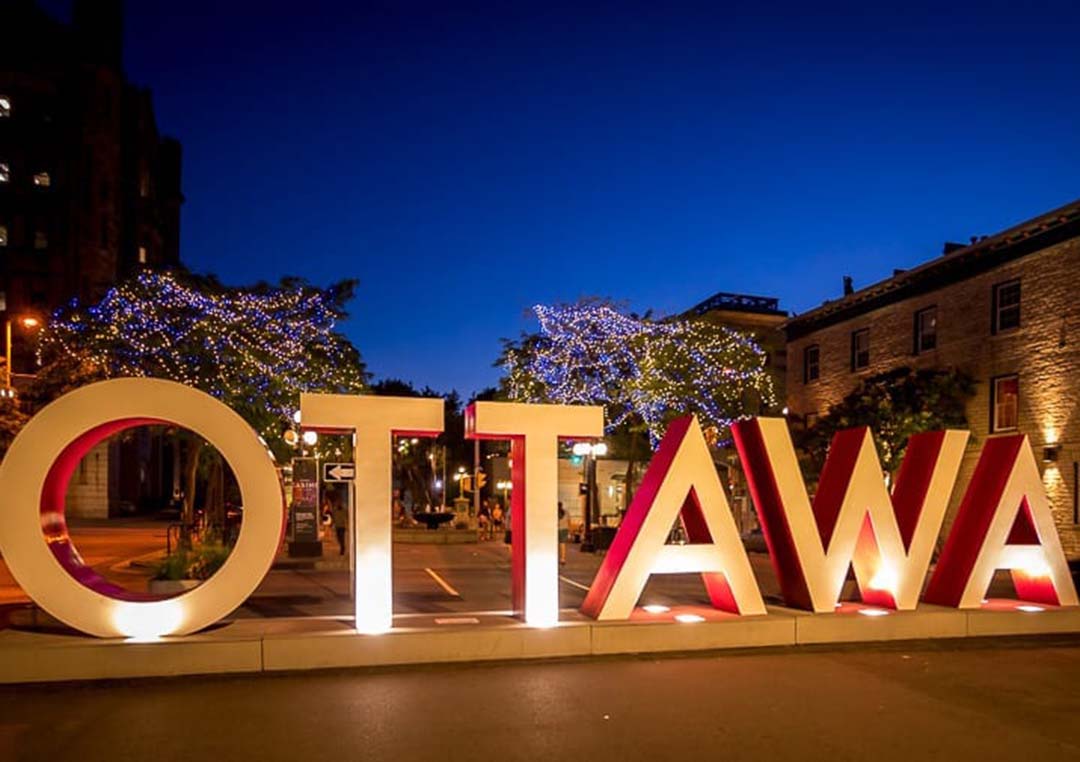
When I first set foot in Ottawa, my strongest impression wasn’t the “grandeur of a capital city,” but rather a sense of restrained quietude.
On the drive from the airport to the city center, the city didn’t greet me with skyscrapers or a barrage of advertisements; instead, it transitioned gently at a steady, unhurried pace. The streets were wide yet uncrowded, the architecture was understated, and even the traffic flowed in an orderly fashion.
I was somewhat surprised in that moment: a national capital that could speak so softly. Yet, it was precisely this low-key nature that made it easier to shed the tension often felt by travelers.
First Stop at Parliament Hill: Solemn, Yet Approachable
The next day, I headed straight to Parliament Hill.
When I first glimpsed that row of Gothic-style buildings from afar, my initial thought was, “This place carries more gravitas than I imagined.” Yet, upon getting closer, that weight didn’t feel oppressive; instead, it conveyed a sense of stability.
The lawn was expansive, inviting people to sit down freely. I found a spot near the steps and watched tourists taking photos, locals out for a stroll, and guards making their rounds. The space lacked the sense of distance created by fences or barriers; rather, it felt like an open “urban living room.”
I noticed a telling detail: many people weren’t just rushing through to check the site off a list; they were genuinely sitting down to daydream, chat, or simply soak up the sun. That atmosphere made me realize this wasn’t a tourist attraction meant to be “seen and left,” but a public space that could be truly lived in.
While the seats of government in other countries often feel like places one shouldn’t get too close to, this place invited you to pause and linger.
The Rideau Canal: The City’s Lifeline
Walking through the city center, you soon come across the Rideau Canal.
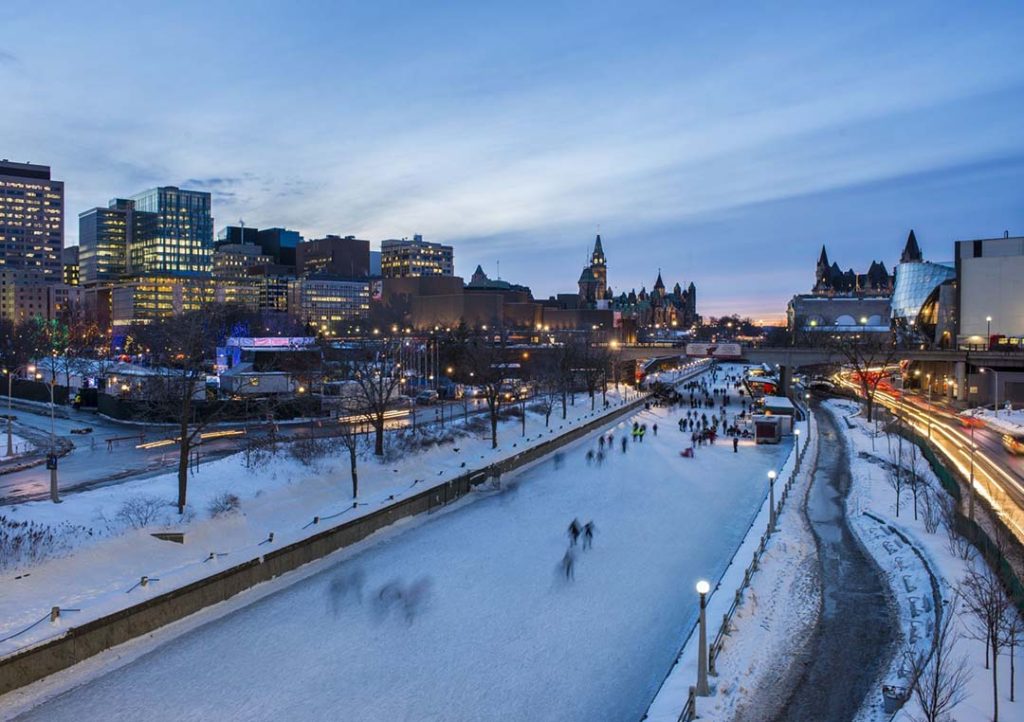
Unlike the rivers in many cities that serve merely as scenery, this canal feels like a “flowing axis” that is truly part of daily urban life. During the day, you see joggers, cyclists, and families with strollers; in the evening, the scene shifts to people taking leisurely walks and chatting.
I walked a long stretch along the canal without a specific destination in mind. The water was calm; occasionally, a small boat would pass by, sending gentle ripples spreading outward before the surface settled back into tranquility.
What struck me most was the sense of rhythm: here, the city isn’t fragmented, but extends naturally along the flow of the water.
Museum Time: Pausing Amidst History
I spent nearly an entire afternoon at the Canadian Museum of History.
It isn’t the sort of museum where you rush past a multitude of exhibits; rather, it is a place that naturally compels you to slow down. The space is expansive with soft lighting, and the transitions between exhibition areas feel organic.
The Indigenous culture section held my attention the longest. It does more than just display artifacts; it conveys a cultural logic that remains very much alive. Many of the exhibits do not represent the “past tense,” but rather cultural expressions that are still unfolding in the present.
I stood before one display case for a long time—not taking photos, but simply reading the explanatory text word by word. It didn’t feel like “studying history” so much as having my way of understanding history reshaped.
Stepping out of the museum, the sudden brightness of the daylight felt like surfacing from deep water back to the world above.
The Tulip Festival’s Transformation: Color Enters Daily Life
If what I had seen earlier was defined by rationality and order, the springtime Canadian Tulip Festival softened the city’s atmosphere.
Expanses of tulips carpeted the parks; the layering of colors was rich yet harmonious. Reds, yellows, purples, and pinks stood out distinctly in the sunlight while blending naturally together.
The atmosphere was unique, too:
People sat on picnic blankets amidst the blooms, children ran across the grass, and photographers set up tripods, patiently waiting for the light to shift.
I had no specific goal for my photos; I simply strolled along the edges of the flowerbeds. When the breeze blew, the entire field swayed gently—a beauty rooted in everyday life, not something manufactured, but something that existed naturally.
In that moment, I realized the city was more than just a “political center”; it possessed a gentle, even romantic, underlying character.
City Life: Quiet, Yet Full
Beyond the tourist attractions, the everyday areas of Ottawa also left a deep impression on me.
The cafés were generally quiet, free from the forced “Instagrammable” vibe found elsewhere. Staff interactions felt natural—neither aloof nor overly effusive. Many patrons were there with laptops or books, or simply sitting and daydreaming. One morning, I wandered into a coffee shop and sat by the window for a long time, watching the street slowly come to life: commuters, cyclists, and the occasional passing bus.
It was a unique feeling—the city was in motion, yet it didn’t forcibly sweep you up in its rush.
The city at night: a continuation of the quiet, not a reversal of it
Ottawa’s nights aren’t the sort that suddenly become boisterous.
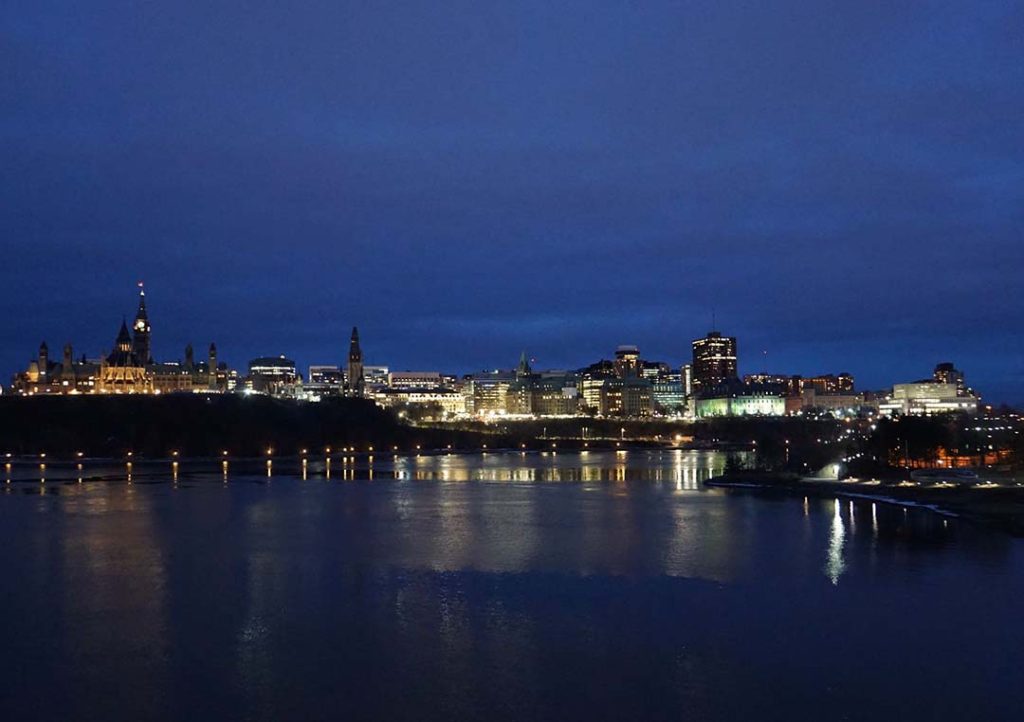
The lights come on, but the city’s character remains unchanged. The streets stay clean; the crowds thin out, yet it doesn’t feel desolate—it feels more like a state of winding down.
I took a walk through the city center at night—no noise, no crowds, just streetlights and the occasional passing vehicle.
That quiet wasn’t an emptiness; it was a sense of wholeness.
A backward glance upon leaving: a slowed-down pace of life
On the day I left Ottawa, I glanced back at the city skyline from my car.
It offers no jarring visual impact, nor does it try to cling to you by demanding, “You must remember me.” Yet, it possesses a special quality: even after you leave, you retain that sense of a slowed-down rhythm.
Like a subtle yet persistent background melody.
It is only when you return to a faster-paced city that you realize: it has quietly changed your understanding of “slow living.”