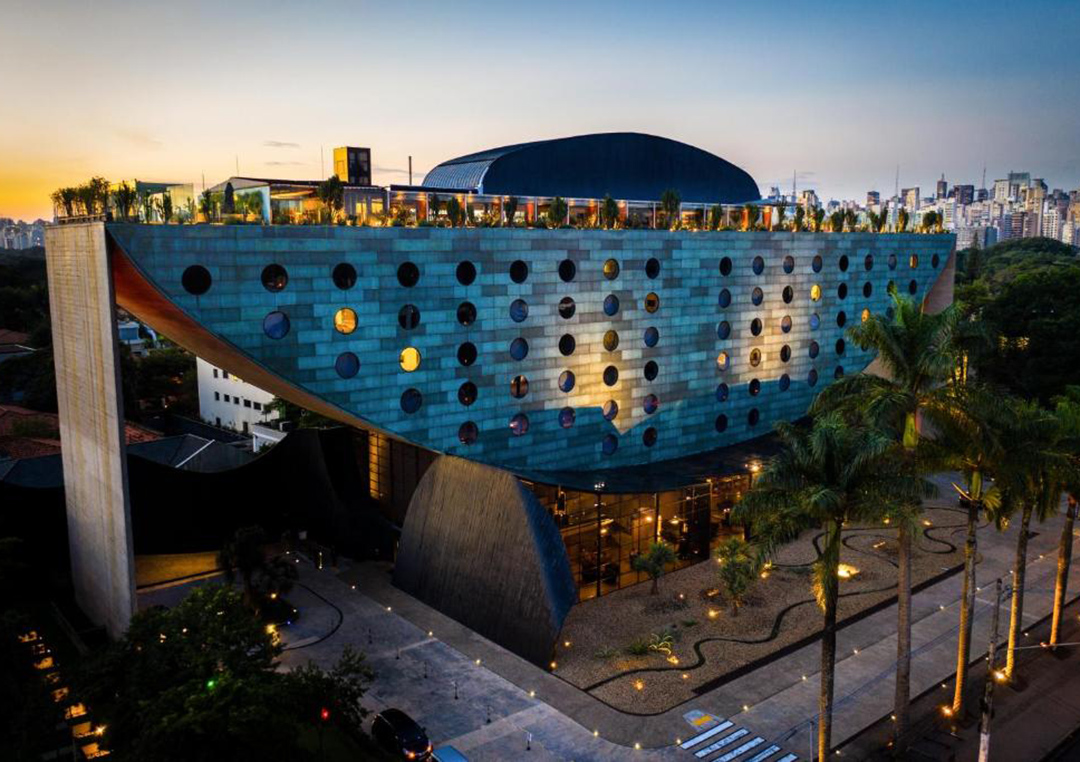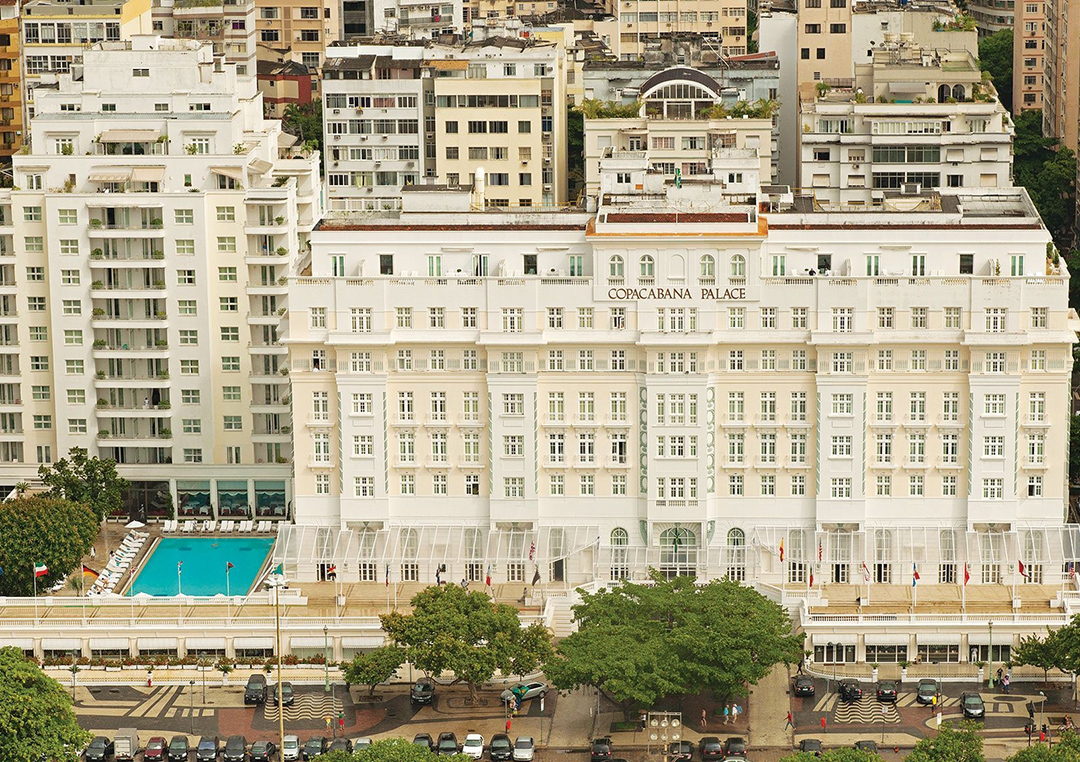

If South American cities were to be categorized into two types, my experiences in São Paulo and Buenos Aires would place me right between the two extremes.
One is a massive machine in constant motion; the other is a slow-paced city steeped in Old World charm. Both are quintessentially urban, yet they express themselves in vastly different ways: São Paulo feels like reality itself, while Buenos Aires feels like memory itself.
First Impressions of São Paulo: Not Scenery, but Density
Upon arriving in São Paulo, I didn’t immediately feel the relaxed vibe typical of a “tourist city.” Instead, I was struck by an intense sense of density—crowded buildings, heavy traffic, throngs of people; even the air felt compressed.
The city makes no attempt to help you unwind; rather, it seems to declare: “This is a place for work and a place for living, but above all, it is a functioning system.” I stayed in the city center, and when I stepped out in the morning, the streets were already fully engaged in the workday. People walked briskly; queues at coffee shops were orderly; the flow of commuters through subway stations was remarkably efficient.
In that moment, I realized this city wasn’t designed for sightseeing, but for the business of living.
Coffee and Breakfast in São Paulo: The Ignition Switch for the City’s Engine
In São Paulo, the places I visited most often weren’t tourist attractions, but coffee shops.
Brazilian coffee culture is an integral part of daily life here. For many, the first thing they do in the morning is stand at the counter to order a small coffee and a simple bread roll.
I recall one morning at a street-side café where I ordered a simple combination: black coffee and pão de queijo (cheese bread). The coffee was strong yet straightforward; the cheese bread had a slightly springy crust and a warm, stretchy, cheesy interior. It wasn’t a breakfast meant for leisurely indulgence, but rather one designed to kickstart the day.
After finishing, my body would shift into a focused, ready-to-work state.
São Paulo’s Restaurant Culture: Not a Performance, but an Overload of Choice
The sheer number of restaurants in São Paulo is staggering, ranging from humble street food stalls to high-end establishments. My most striking impression wasn’t wondering “what should I eat?” but rather grappling with the fact that there were simply too many choices. One evening, I wandered into a Japanese fusion restaurant and ordered a combo of sushi and hot dishes. The food was tasty, but what really struck me was the atmosphere: people at every table were eating earnestly, yet without any sense of ceremony—it was simply a part of their daily routine.
That’s the impression São Paulo’s dining scene gave me: it isn’t designed to be memorable, but to be used. Dining here feels like utilizing one of the city’s functional amenities.
São Paulo at Night: The City Never Stops, It Just Shifts Modes
Nightfall doesn’t bring silence to São Paulo; instead, a different kind of energy takes over. I once walked through the city’s neighborhoods at night, and everything—restaurants, bars, convenience stores—was still bustling.
What stood out most was that sense of being “always on”—the city has no clear closing time. Bars were filled with chatter, streets with pedestrians, and people were even working in coffee shops. Night isn’t an end point here; it’s just a shift into a different functional state.
Shifting to Buenos Aires: A Sudden Slowdown in Pace
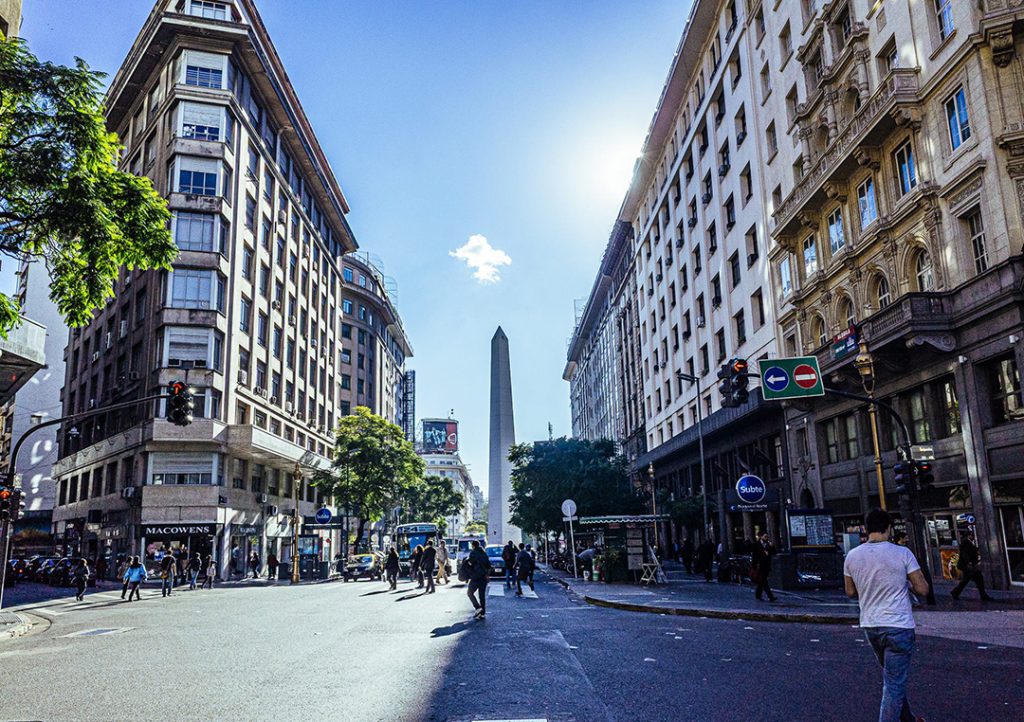
Moving from São Paulo to Buenos Aires marks a distinct change in rhythm. If São Paulo runs in fast-forward, Buenos Aires plays in “slow-motion.”
Upon arrival, the first thing I noticed was the shift in architecture—more old buildings with European flair, wider streets, and a more relaxed pace.
The city’s character is markedly different: it prioritizes a sense of space over pure functionality.
The Streets of Buenos Aires: Reading the City’s History. My favorite thing to do in Buenos Aires is to walk without a destination.
On the streets of Buenos Aires, you can easily sense the lingering echoes of the “Old World.” Many cafés retain a traditional style, featuring wooden tables and chairs, vintage cash registers, and unhurried service. I once spent a long time sitting in an old café, having ordered nothing but a single cup of coffee.
The coffee itself was simple, but the atmosphere was the real draw: people spoke in hushed tones, and time seemed to stretch out. It was a unique feeling—you weren’t just “consuming coffee,” but rather “lingering in time.”
Tango and the City’s Character: An Emotional Form of Expression
In Buenos Aires, tango is practically a symbol of the city itself. I once watched a street tango performance—not in a theater, but right out in a public square.
As soon as the music started, the city’s atmosphere transformed. Movements are slow, yet charged with emotion. It is a stark contrast to the “sense of efficiency” found in São Paulo; here, the emphasis is on expression rather than execution.
Even the simple rhythm of walking seems to carry more “emotional weight.”
Dining Experience: From Complex Choices to Comfort Food
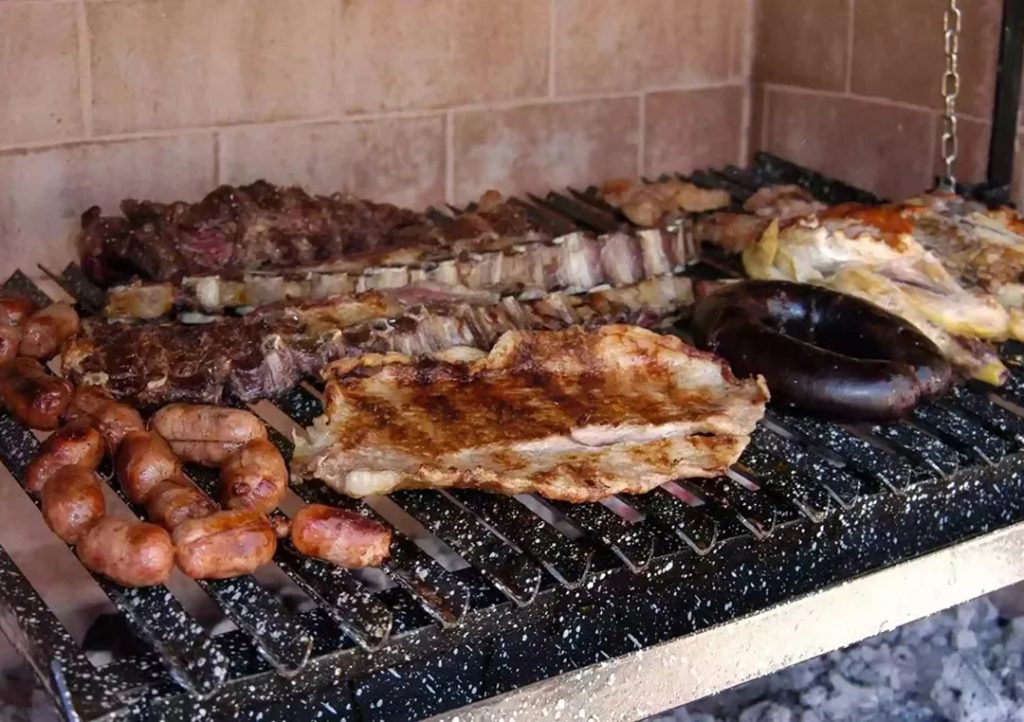
What left the deepest impression on me regarding the dining scene in Buenos Aires was the asado (Argentine barbecue).
This is not fast food, but a deeply “social” way of eating. I once had a full asado platter featuring a vast array of meats, ranging from beef to sausages. The meal unfolded gradually rather than being served all at once.
Dining transformed into a leisurely social activity. Unlike the “functional eating” often seen in São Paulo, the experience here was about “prolonging the meal.”
Coffee Culture: Efficiency vs. Lingering
In São Paulo, coffee is for “kick-starting” the day—quick, direct, and functional. In Buenos Aires, coffee is for “lingering”—it invites you to sit and stay a while.
Although the beverage is the same, the way it is consumed differs completely between the two cities.
This made me realize for the first time that urban culture is not merely an abstract concept; it manifests in concrete details, such as “how you drink your coffee.”
Nightlife: A City in Motion vs. A City of Emotion
Nights in São Paulo feel like a system in constant operation. Nights in Buenos Aires feel more like an unfolding of emotion. In São Paulo, you sense the city is always “switched on.” In Buenos Aires, you feel the city beginning to tell a story.
Two South American Cities, Two Logics of Living
Between São Paulo and Buenos Aires, I witnessed two completely different urban logics: one helped me understand “how reality functions,” while the other helped me understand “how time is felt.”
Looking back, what stays with me isn’t just the architecture or the food, but two distinct ways of life—one accelerating, the other slowing down.