
If one were to understand a city’s character through its food, my experience in Rio de Janeiro was unmistakable: the flavors here mirror the city itself—direct, passionate, and straightforward. There is no slow, complex buildup; instead, it is an experience that happens instantly. Whether you are walking down the street, nearing the beach, or sitting in a small eatery, the food is simply there.
During those days, I ate mostly at street stalls, seaside spots, and casual local shops rather than formal restaurants. Looking back, it was precisely these unpretentious moments that truly defined the city’s flavor profile in my memory.
A First Taste of Rio: Starting with Street-Side Skewers
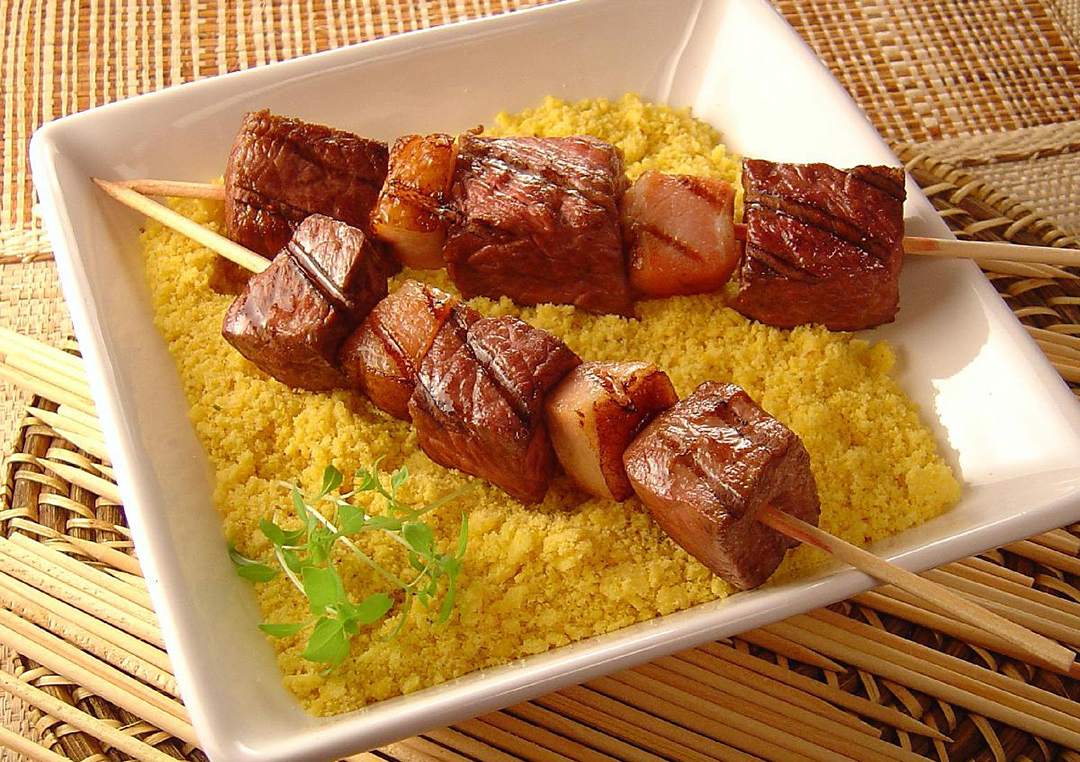
My very first meal in Rio was a casual affair: a churrasquinho (grilled meat skewer) bought right on the roadside. There were no menus or elaborate descriptions—just a row of charcoal grills where the meat sizzled slowly, filling the air with a distinct, smoky aroma.
I ordered a beef skewer, and it was still steaming when I received it. The first bite was immediate and bold: the exterior had a charred, smoky fragrance, while the inside offered a savory, meaty taste—salty but not over-seasoned, and free from the distraction of complex sauces. In that moment, I realized the city’s culinary philosophy: prioritize the raw, authentic flavor above all else.
Beachside Dining: Not Just “Eating,” but “Refueling”
At Copacabana and Ipanema beaches, eating is less about a full meal and more about a quick energy boost.
The beachfront is dotted with mobile stalls and simple food stands. What left the deepest impression on me was the freshly squeezed fruit juice (suco natural). There was a wide variety of fruits to choose from: mango, passion fruit, guava, and pineapple.
I ordered a passion fruit juice; the first sip was sharply tart, gradually giving way to sweetness. Unlike many North American juices where sweetness dominates, here the acidity took center stage. Amidst the heat and sea breeze, the drink made a powerful impression—it wasn’t merely a beverage to be savored leisurely, but a functional tool to cool down.
Yet, it was precisely this quality that made it so integral to the beach experience.
Brazilian Black Bean Stew: A True Daily Staple
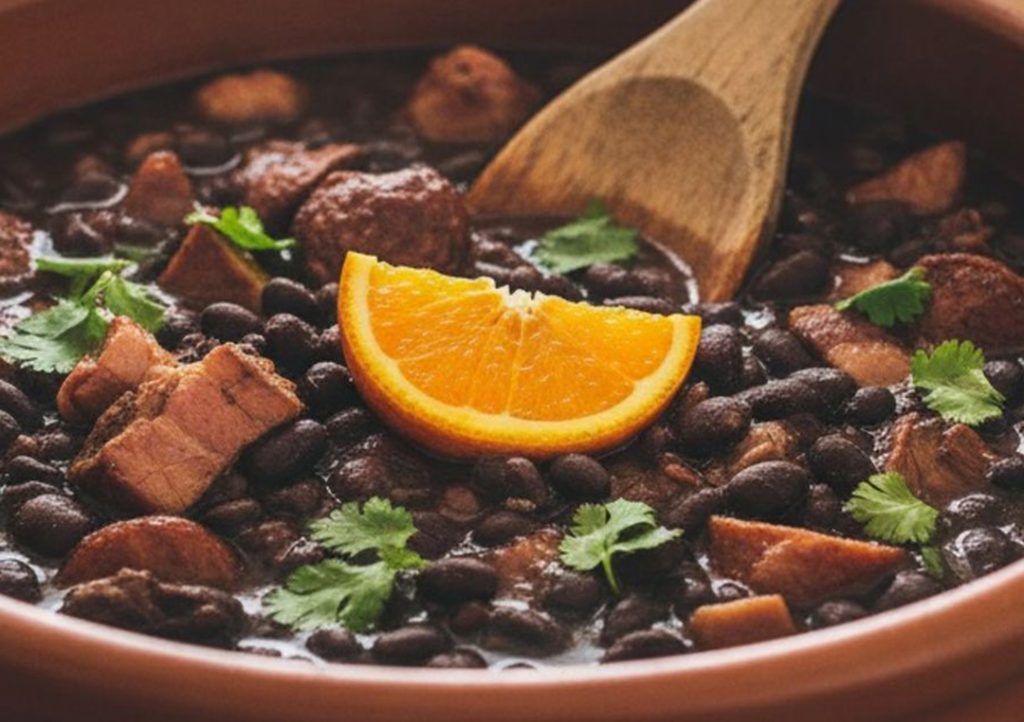
In Rio, if there is one food that is truly “fundamental yet essential,” it has to be feijoada (Brazilian black bean and meat stew).
I tried it at an ordinary family-run eatery, not a high-end restaurant. It arrived as a combo meal: the black bean stew, rice, collard greens, orange slices, and a bit of fried pork skin. My first impression wasn’t of complexity, but of “substance.” The black bean broth was thick—not in a cloying, heavy way, but with a rich body derived from the blend of meaty and beany flavors. Here, the rice wasn’t the star of the show; rather, it served as a vehicle to carry the flavors. The most interesting element was the orange slices—at first, I didn’t understand why fruit was included, but after a few bites, I realized they served to cut through the richness of the fat.
This meal gave me my first real understanding that Rio’s culinary style is about “holistic balance” rather than delivering a single, intense flavor punch.
The Rhythm of Street Food: Quick but Not Careless
Rio’s streets are full of snacks like coxinha (deep-fried chicken croquettes) and pastel (deep-fried savory pastries).
I ordered a coxinha at a small street-side stall. The crust was a perfectly even golden-brown, and biting into it revealed a filling of shredded chicken with subtle notes of creaminess and seasoning.
The point wasn’t to be “mind-blowingly amazing,” but rather “consistently delicious.”
Pastel, on the other hand, tends to be crispier, with fillings ranging from meat and cheese to mixed combinations. I remember that while there was a noticeable richness from the frying, it didn’t feel heavy; instead, it suited the street-side atmosphere perfectly. What these foods have in common is that they are convenient, straightforward, and easily enjoyed on the go.
Seafood and the Sea: Simplicity is Key
As a coastal city, Rio’s approach to seafood is actually quite simple.
I once had grilled fish with rice at a seaside restaurant. The fish was grilled whole without any complex sauces; the seasoning was minimal—just salt, lemon, and a touch of herbs. The first bite offered a very “clean” taste of the ocean.
The flavor wasn’t masked or artificially enhanced—it was a direct, unadorned presentation. Eating it while feeling the sea breeze and hearing the sounds of the city amplified the food’s “natural” quality.
Iced Drinks and Tropical Fruits: The Other Half of the City’s Flavor Profile
In Rio, beverages are just as important as the food itself. Beyond fruit juices, I also tried an açaí bowl.
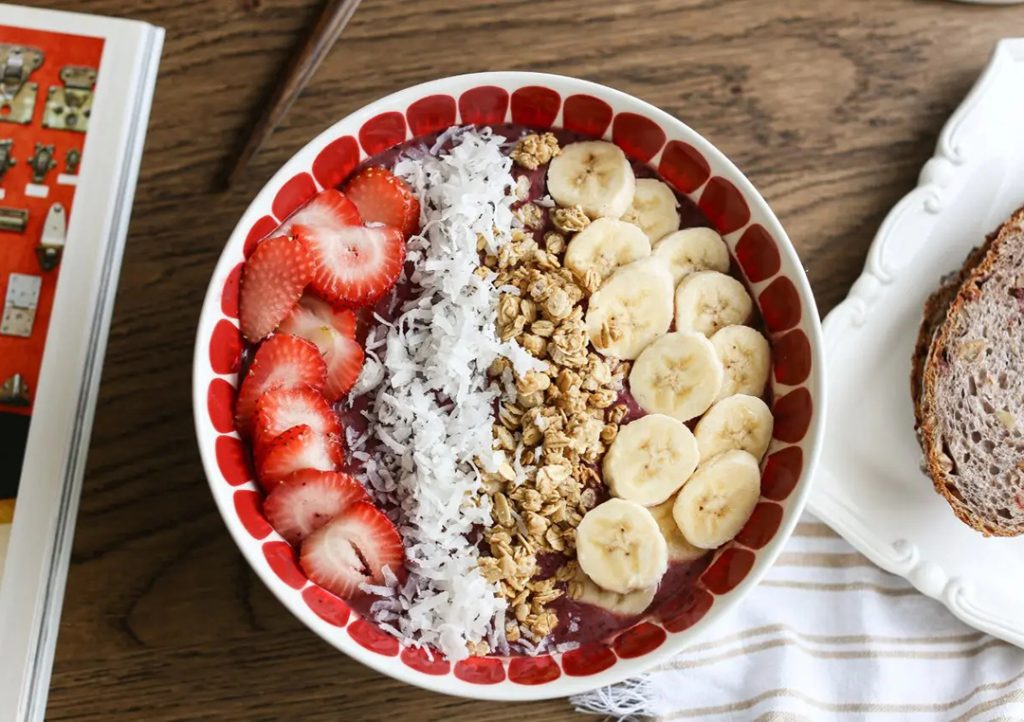
My first experience with açaí was a bit of a surprise—it didn’t feel like a dessert so much as a combination of frozen fruit purée and toppings. The texture was cold and slightly grainy, and the sweetness was subtle, though you could add bananas, honey, or granola yourself. It wasn’t an “indulgent treat” but rather a source of energy.
In a city with such high temperatures, it makes perfect sense.
The dining rhythm: unpretentious yet authentic
Formal restaurants in Rio gave me the impression that they don’t strive for an air of “exclusivity” or “high-end” luxury. The décor might be ordinary, but the portions are generous.
I once had a churrasco (barbecue) platter featuring various cuts of meat served all at once. The service was straightforward: meat was constantly brought out and sliced, without elaborate explanations. This style of dining is distinctive—it’s not about “ordering dishes” but rather “continuous supply.” There were hardly any pauses in the meal.
Dessert and coffee: neither overly sweet nor overly elaborate
Overall, desserts in Rio aren’t as intensely sweet as those in Europe or North America. I tried a pudim (similar to flan or crème caramel); it had a smooth texture, but the sweetness was kept in check.
The coffee tends to be an everyday affair—usually served in small cups and quite strong. I once sat at a street-side café and ordered an espresso. The flavor was a straightforward, bitter roast—lacking complex layers, perhaps, but perfectly suited to the city’s rhythm.
Dining at night: shifting from the beach to the neighborhood

At night, the dining scene in Rio shifts from the beach to the local neighborhoods, where many small eateries and bars come to life.One evening, I had a simple grilled burger with fries. The flavor wasn’t complex, but the atmosphere was key: people chatting nearby, soft music playing, and the flow of pedestrians on the street.
Here, food becomes part of the social experience rather than an isolated event.
The taste of Rio: a life unfolding in the moment
During my time eating in Rio de Janeiro, one thing became increasingly clear: the food here doesn’t create a sense of “delayed gratification.”
It doesn’t make you pause to overthink; instead, it keeps you moving right on to the next bite. Looking back, what stays with me isn’t any single exquisite dish, but a layering of moments: fruit juice on the beach, the aroma of street-side grilled meat, the hearty substance of black bean rice, and that ever-present warmth of a tropical city.