Brussels, the capital of Belgium and the political center of the European Union, boasts a well-developed public transportation network that efficiently connects various areas of the city. Whether you’re visiting Brussels for the first time or frequently traveling here on business, the city’s public transport system can meet your diverse travel needs. However, to fully utilize these transportation options, it’s crucial to understand some basic usage methods and tips.
1. Overview of Brussels Public Transportation
Brussels’ public transportation system consists of several different modes of transport, mainly the metro, trams, and buses. These services are operated by the Brussels Public Transport Company (STIB/MIVB), and the network covers not only the city center but also surrounding areas. Whether you’re taking short trips within the city or traveling to the suburbs, the public transport system makes it easy to get around.
The public transport system in Brussels is highly regarded for its efficiency, convenience, and environmental friendliness, making it popular with both locals and visitors. Compared to other major European cities, Brussels’ transportation prices are relatively affordable, and the frequency of services ensures that you can reach your destination in the shortest time possible. By planning your travel routes properly, you can make the most of Brussels’ transport system and experience every corner of this vibrant city.
2. The Brussels Metro System
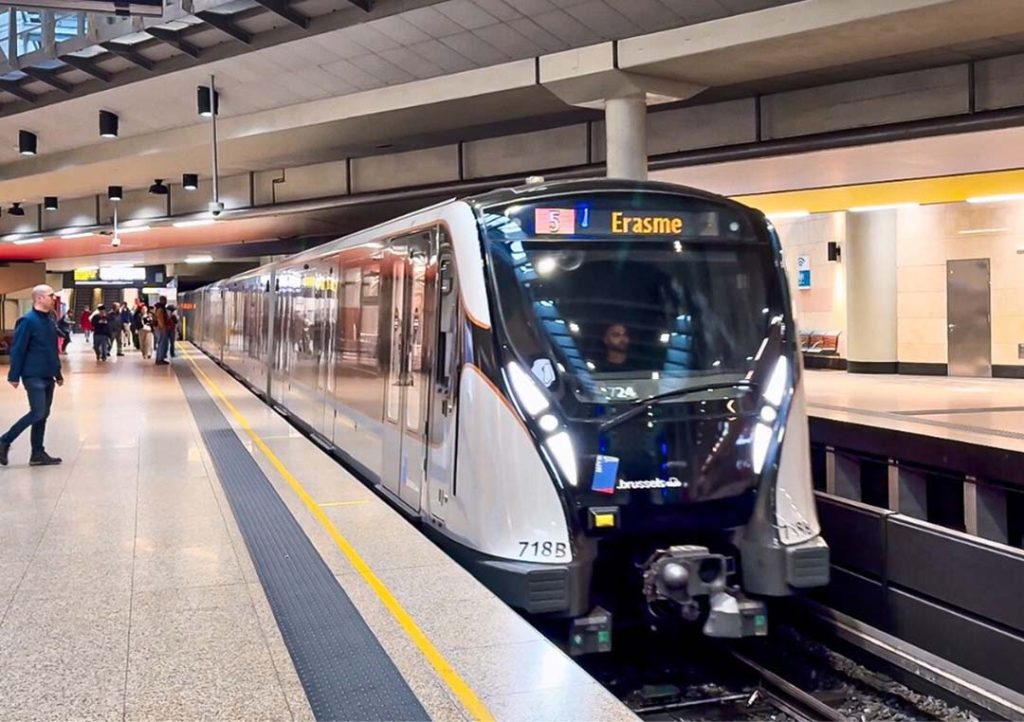
The Brussels metro system is one of the most convenient public transport options in the city, especially for longer journeys. The Brussels metro consists of four main lines, which are:
- Line 1 (Orange Line): Starts from Gare de l’Ouest (West Station) in the west, passes through the city center, and ends at Stockel in the east.
- Line 2 (Blue Line): Connects Simonis and Albert, passing through the core areas of Brussels, providing rapid east-west connections.
- Line 5 (Purple Line): Runs from Erasmus to Hallepoort, covering the southern and southeastern parts of Brussels.
- Line 6 (Green Line): Mainly connects the north and south of Brussels, ideal for traveling to the suburbs or city center.
The metro runs very frequently, especially during peak hours, with trains arriving every 2-4 minutes, ensuring efficient travel for passengers. Most metro stations in Brussels are equipped with elevators and escalators, making it easier for travelers with luggage or strollers. Additionally, the signage at metro stations is clear, with bilingual information in French and English, making it convenient for international visitors.
How to Ride the Metro?
Before taking the metro, you can purchase a one-way or multi-trip ticket at the ticket machines in the stations, or you can use a transport card for travel. Metro tickets are generally valid for one hour after purchase, allowing you to transfer between different lines within this time frame. The stations offer a variety of payment options, including cash and credit/debit cards.
Brussels’ metro system offers two main types of tickets: standard tickets and day passes. Standard tickets are for single trips, while day passes allow unlimited travel for one day. If you plan to stay in Brussels for a few days, it’s recommended to buy a multi-day pass or a transport card to save on transportation costs.
3. The Brussels Tram System
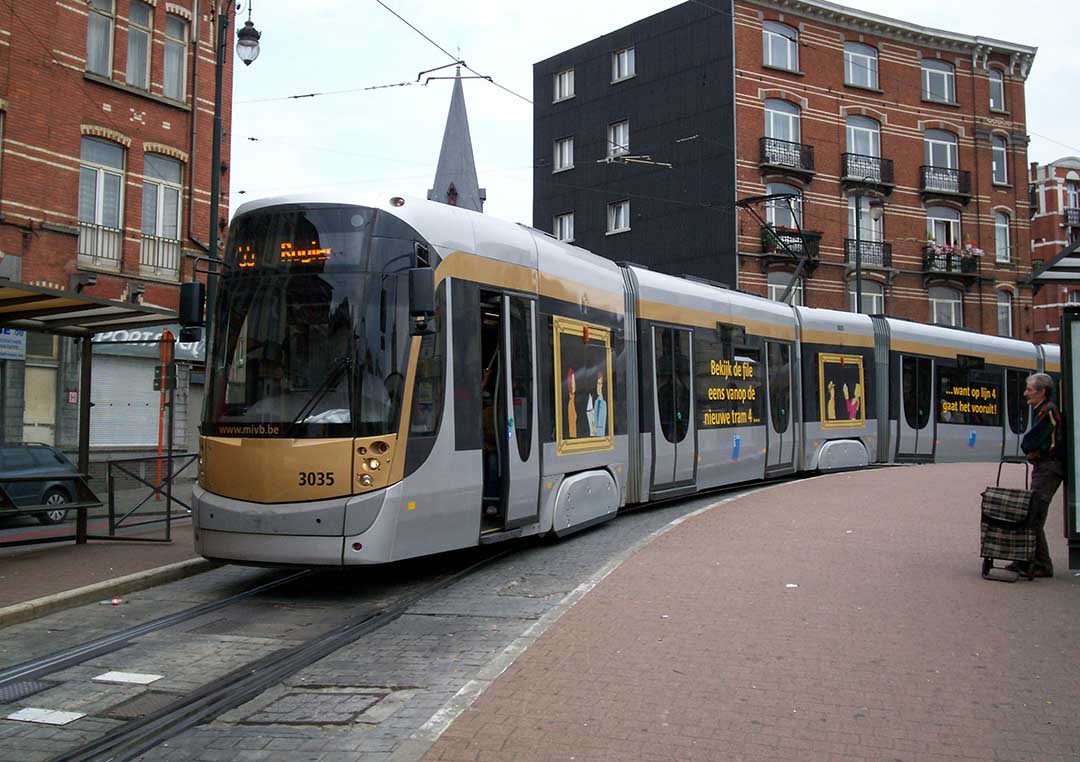
The tram system in Brussels is one of the city’s most distinctive transport options. There are 10 tram lines in total, covering both the city center and the suburbs, making it especially suitable for short-distance travel. Trams are spacious and comfortable, offering an excellent way for visitors to explore the city at a leisurely pace. Tram lines in Brussels connect major attractions such as the European District, Grand Place, and the Royal Belgian Museum, making them an essential part of any tourist’s journey through the city.
The frequency of trams is quite high, especially on the main lines in the city center, with a tram arriving every 5 minutes. Compared to the metro, trams are slower, but they offer passengers the opportunity to enjoy the sights of the city along the way. During the summer, trams are a great option for traveling to Brussels’ parks and gardens, providing a comfortable and scenic way to explore the city’s outdoor spaces.
How to Ride the Tram?
The process for purchasing tram tickets is similar to that for the metro. You can buy tickets from the machines at tram stops or directly on the tram. Most trams offer single tickets and day passes, with ticket prices typically lower than those for the metro. If you plan to stay in Brussels for an extended period, consider purchasing an unlimited-use transport card, which will be more cost-effective.
It’s important to note that some tram lines in Brussels may have special fare structures, especially during peak hours. For example, certain tram routes might have higher ticket prices during busy periods. Therefore, it’s a good idea to check the specific pricing for each tram line before boarding to ensure smooth travel.
4. The Brussels Bus System
Brussels has an extensive bus network that covers almost every corner of the city. Buses are especially useful for reaching areas that are not covered by the metro or tram networks, or for those who prefer not to use the metro or tram. The buses in Brussels are frequent, with a new bus arriving every 5-10 minutes in the city center.
There are numerous bus routes connecting the city center to the surrounding suburbs and even to other cities and attractions in Belgium. For tourists planning to visit the suburbs or surrounding regions of Brussels, the bus system provides a highly practical and convenient mode of transport.
How to Ride the Bus?
The process of taking a bus is similar to using the metro or tram. You can buy a ticket from the machines at bus stops or onboard the bus. For those staying in Brussels for a few days, it’s advisable to purchase a transport card that offers discounted fares.
Brussels buses are typically equipped with electronic displays that show the next stop and the estimated arrival time, which is very helpful for tourists. The signs at bus stations are also clear, and most stations offer bilingual information in French and English, making it easier for international visitors to understand the routes and schedules.
5. The Brussels Ticketing System
Brussels’ transport ticketing system is designed to be flexible and convenient, offering a wide range of options to meet the needs of both occasional tourists and frequent commuters. Whether you’re staying for a short time or living in the city for an extended period, there’s a ticket or pass that suits your travel style. Below are the most common types of tickets available:
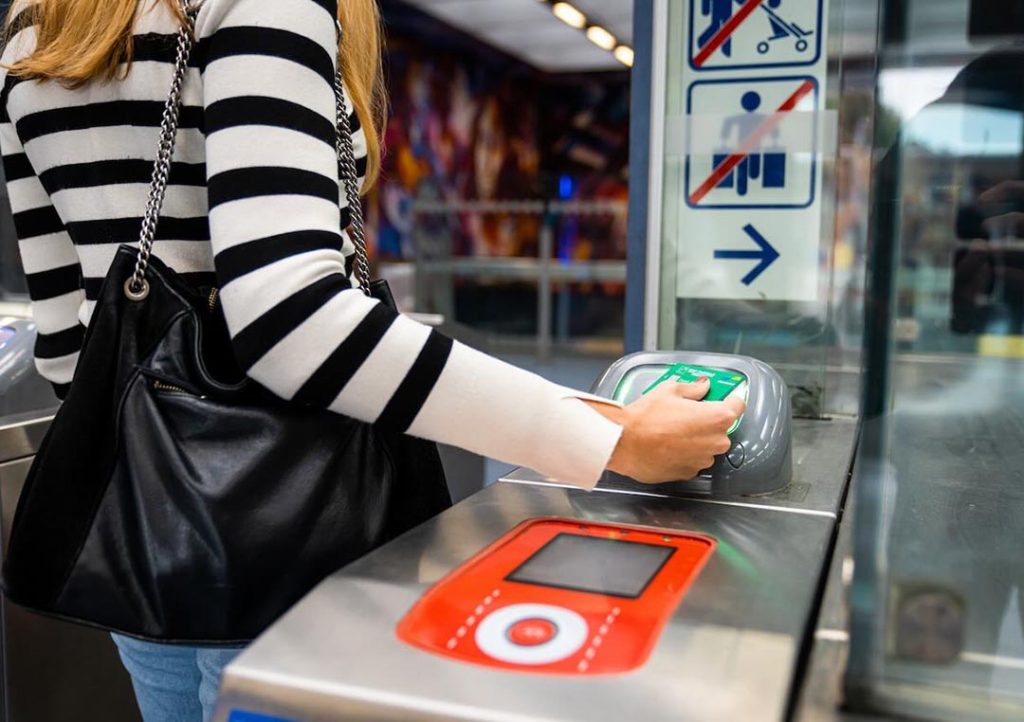
- Single Ticket: The single ticket is ideal for those taking one-off trips around the city. This ticket allows you to travel on the metro, trams, and buses for a single journey, making it perfect for tourists who don’t plan to use public transport frequently. The ticket is valid for one hour from the time of purchase, allowing you to transfer between different transport modes within this time frame.
- Day Pass: The day pass is perfect for visitors who plan to use public transport several times in one day. It provides unlimited travel on the metro, tram, and bus systems within a 24-hour period, offering great value for those exploring the city’s main attractions.
- Multi-day Ticket: For those staying in Brussels for several days, the multi-day ticket is a convenient option. These passes are available for 3, 5, or 7 days and provide unlimited travel within their validity period. They’re ideal for tourists who plan to visit multiple attractions over several days and want to avoid purchasing tickets for each trip.
- Transport Card: The transport card is an electronic card that can be loaded with credit and used for multiple journeys on public transport. It’s particularly convenient for residents, long-term visitors, or anyone who uses public transportation regularly. The card can be recharged at any metro, tram, or bus station’s ticket machine and can also be used to buy tickets for specific trips or passes. This option is especially beneficial for frequent travelers as it removes the need to handle cash or buy individual tickets each time.
Additionally, Brussels offers multifunctional transport cards, such as the Brussels Card, which not only provides access to public transport but also includes free or discounted admission to various museums and attractions, offering great value for tourists.
6. Cycling and Walking in Brussels
In addition to a well-developed public transport system, Brussels is also a city that is conducive to walking and cycling. The streets are wide, and there are plenty of parks and green spaces, making it a great place for visitors to explore on foot or by bike. In recent years, the Brussels government has promoted public bike-sharing services, launching the Villo! bike rental system. Visitors can easily rent bikes via a smartphone app, enjoying an eco-friendly way to get around.
Brussels’ public transportation system is undoubtedly one of the city’s highlights, offering efficient and convenient ways to travel, making it a vital option for both tourists and locals. By familiarizing yourself with and making optimal use of the metro, tram, bus, and other transport options, you can easily explore this city, full of historical charm and modern energy. Whether you’re on a short-term visit or a longer stay, Brussels’ public transport will provide you with a comfortable and hassle-free travel experience.