
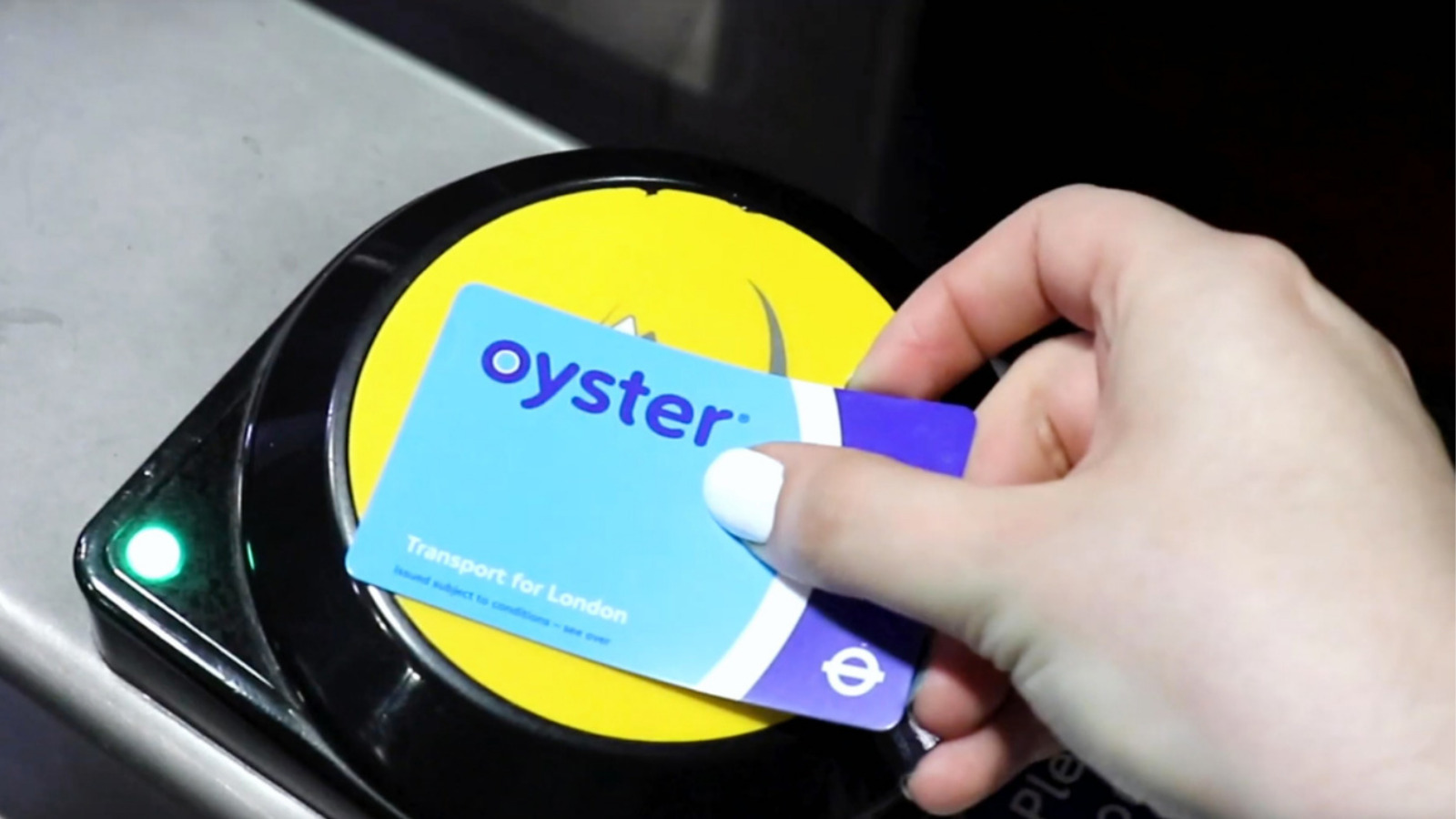
London is a vibrant metropolis and one of the world’s most attractive tourist destinations. Its transportation system is undoubtedly an essential part of daily life for both locals and visitors. London offers a wide variety of transportation options, including the Tube, buses, trains, and light rails. Among them, the Tube and buses are the most familiar and commonly used by tourists. How to use these transportation methods efficiently and economically is a key concern for many visitors. I’ll introduce London’s transportation system in detail, focusing on the Tube, buses, and Oyster cards, to help you better plan and enjoy every day in London.
1. London Underground: The Arteries of the City
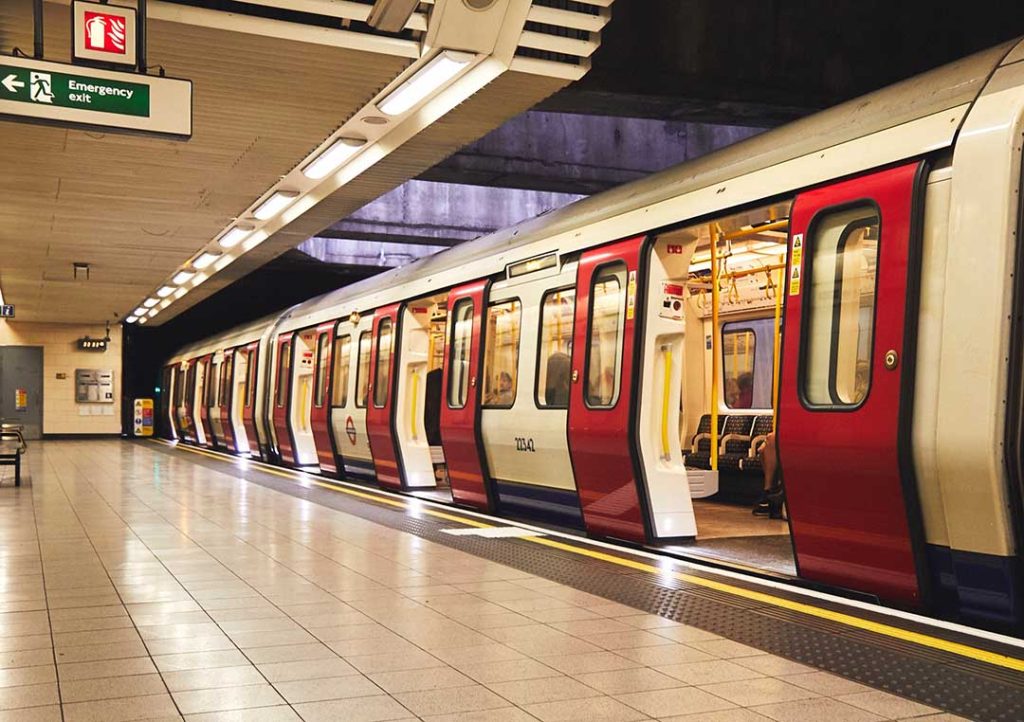
The London Underground, affectionately known as the “Tube,” is one of the oldest metro systems in the world and one of the most convenient and commonly used modes of transportation in London. The Tube network spans the city and its surrounding areas, covering most of the city’s major tourist attractions and commercial districts, making it an essential transport option for most visitors to London.
1.1 Tube Lines and Stations:
London’s Underground has 11 main lines, each identified by different colors and letters. The most commonly used include the Victoria Line (purple), Piccadilly Line (dark blue), Central Line (red), and Jubilee Line (silver). The Tube lines cover the city and surrounding areas, offering quick access to most of London’s tourist spots, shopping districts, and cultural landmarks. For example, the Piccadilly Line connects Heathrow Airport to central London, making it very convenient for travelers arriving by air.
1.2 Ticket Prices and Fare Structure:
The fare for the London Underground is based on “zones.” There are nine different zones, and tourists typically travel between Zones 1 and 6. The fare will vary depending on the zone and time of travel. Tickets for the Tube include single tickets, return tickets, and travel cards, but single tickets tend to be more expensive. Therefore, it is highly recommended to use an Oyster card or Contactless (contactless payment) to reduce travel costs.
1.3 Peak Hours and Tips:
The London Underground can be extremely crowded during peak hours, typically from 7:30 AM to 9:30 AM and 5:00 PM to 7:00 PM on weekdays. If you’re not in a rush, it’s best to avoid these times. While the Tube network is well-developed, occasional technical issues or delays do occur due to its age. It’s advisable to check the Tube’s operational status and any temporary service disruptions before you travel.
1.4 Tube Boarding and Exiting:
Each Tube station is clearly marked with directional signs, and most stations are equipped with elevators and escalators, making it easier for tourists, especially those with luggage. When entering and exiting the stations, you’ll need to use your Oyster card or Contactless card to swipe in and out. Be sure to swipe out at the end of your journey; failing to do so will result in additional charges.
2. London Buses: A Different Perspective of the City
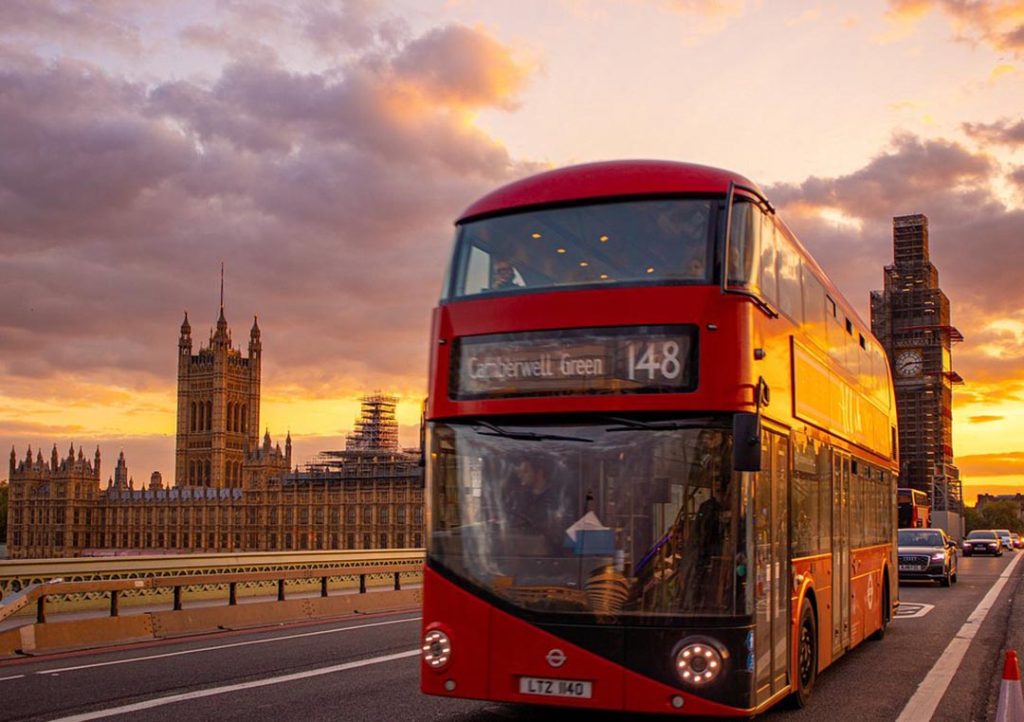
In addition to the Tube, London’s buses are also a popular mode of transportation for both tourists and locals. The iconic red double-decker buses have become synonymous with London. Sitting on the upper deck of the bus, you can enjoy the beautiful city views while immersing yourself in the urban culture of London.
2.1 Bus Routes and Coverage:
London’s bus network is extensive, with over 700 bus routes covering the entire city and surrounding areas. Whether you are heading to the Tower of London, a museum, or the London Eye, buses are a great option. Moreover, the frequency of buses is high, so you’ll rarely have to wait long.
2.2 Bus Fares and Payment Methods:
Unlike the Tube, London’s buses do not have different fare prices depending on the distance. Regardless of how many stops you travel, the fare is the same. Bus fares are generally cheaper than Tube fares, but it’s still recommended to use an Oyster card or Contactless card to make payment, as this provides convenience and discounts.
2.3 Using the Bus:
When boarding the bus, passengers need to swipe their card at the machine located next to the door before entering. After paying, you can board the bus. There’s no need to swipe your card again when getting off. Bus seats, especially those on the upper deck, are spacious and offer a comfortable ride. If it’s your first time on a London bus, be sure to sit on the upper deck to enjoy the scenic views along the way.
2.4 Bus Rush Hours and Travel Tips:
Similar to the Tube, London buses can be crowded during rush hours, particularly in the mornings and afternoons. Therefore, it’s important to plan your travel time in advance to avoid the congestion. Additionally, London buses generally do not accept cash, so make sure you have an Oyster card or a Contactless card.
3. Oyster Card: The Smart Travel Pass for London
The Oyster card is the most commonly used payment method in London’s transportation system. It’s a prepaid travel card that can be used on the Tube, buses, light rail, and even trains. Compared to traditional single and return tickets, the Oyster card not only helps you save on travel costs but also provides greater convenience.
3.1 Purchasing and Recharging the Oyster Card:
Oyster cards can be purchased at London Underground stations, railway stations, and many convenience stores. The card itself costs around £5, which includes a deposit and a small balance. You can recharge your Oyster card at self-service machines, online, or at any Oyster recharge point in the stations.
3.2 Using the Oyster Card:
Using an Oyster card is simple. At the station entrance, swipe your Oyster card at the card reader, and the system will automatically deduct the appropriate fare. Be sure to swipe your card again when exiting to avoid being charged extra. The Oyster card also supports Contactless payment, so you can link your bank card (debit or credit) to the Oyster card to enjoy the same discounts and convenience.
3.3 Discounts and Benefits of the Oyster Card:
One of the biggest advantages of the Oyster card is that it offers discounted fares on London’s public transport. For example, the fare with an Oyster card is usually 30% cheaper than a single ticket, and if you use the card multiple times in one day, the system will automatically calculate a daily fare cap, which is the maximum amount you will be charged for travel on that day. For tourists, the Oyster card is undoubtedly the most economical and convenient option.
3.4 Refunds for the Oyster Card:
If you no longer wish to use the Oyster card after your trip to London, you can request a refund at any Underground station’s customer service center. The remaining balance will be refunded, but the deposit will be deducted.
4. Other Important Transportation Tips in London
4.1 Luggage and Transportation:
In London, there are some specific rules regarding luggage on public transport. Small items such as backpacks and suitcases are generally allowed, but larger luggage, especially suitcases, might be subject to restrictions, particularly during rush hours. For the Tube, some stations lack elevators or escalators, so passengers with large luggage should carefully plan their routes. Additionally, some trains have dedicated luggage spaces, while others may require you to store your bags in less convenient locations. It’s advisable to travel outside peak hours if you have bulky luggage to ensure a smoother experience.
4.2 Peak Hour Travel:
During the peak hours, particularly from 7:30 AM to 9:30 AM and 5:00 PM to 7:00 PM on weekdays, London’s public transport system can become quite congested, especially the Tube. Trains and buses may be packed, making it challenging to find a seat or even enough standing room. If you can, try to plan your trips before or after these times to avoid the crowds. However, if you do need to travel during rush hour, it’s wise to choose quieter carriages, typically those located at the ends of the trains, to find a little more space.
4.3 Off-Peak Discounts:
London offers a more affordable fare system during off-peak hours. The Tube fare is generally higher before 9:30 AM, but prices decrease significantly after this time. If you’re not on a strict schedule, it’s worth planning your travel for later in the day or avoiding the morning rush. This also applies to buses, where you’ll find less congestion, a more relaxed atmosphere, and lower fares during off-peak times. Tourists can enjoy the comfort of fewer passengers while saving money on their journeys.
4.4 London Travelcard vs. Oyster Card:
For tourists planning an extended stay in London, the London Travelcard offers an alternative to the Oyster card. Travelcards are available for different durations, such as 7, 14, or 30 days, and can be used on all forms of public transport, including the Tube, buses, and light rail. While this is a convenient option for those staying in London for a longer period, the Oyster card tends to be more flexible and offers greater discounts, especially for shorter trips or if you only plan to stay for a few days. Additionally, Oyster cards automatically calculate your best fare each day, ensuring you never overpay.
With these tips, whether you’re traveling to every major landmark in the city or exploring London’s unique street culture, your journey will be more relaxed and enjoyable. Enjoy the convenience and diversity of this city and embrace the infinite possibilities and surprises that await you in London.